Get Full Government Meeting Transcripts, Videos, & Alerts Forever!
Get email alerts on the Public Health Respiratory Illness topic
No spam. Unsubscribe anytime.
Norwalk health staff: flu and overall respiratory activity high; wastewater shows rising COVID signals
Summary
Norwalk Health Department staff presented CDC and state data showing very high influenza activity, sustained high national respiratory illness levels and increasing wastewater signals for COVID-19. Staff urged vaccinations, testing, masking and ventilation measures ahead of spring break.
Brian Weeks, a Norwalk Health Department staff member, told the Community Services Committee on Feb. 2025 that national and state surveillance show very high influenza activity and elevated overall respiratory illness.
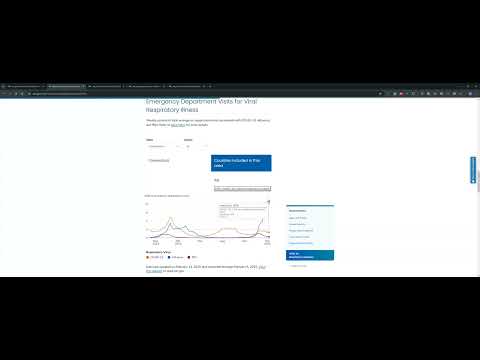
"This red bar here that's mentioning a high, overall respiratory illness activity in The United States remains high," Weeks said while reviewing CDC dashboards, adding that emergency-department visits for influenza are "currently an increasing trend" while emergency visits for respiratory syncytial virus are at moderate, decreasing levels and COVID-19 emergency visits are lower but wastewater viral activity for COVID-19 is high.
Weeks said wastewater surveillance — which detects viral shedding across a community — is a useful early indicator and noted that COVID-19 wastewater levels have increased in recent weeks. He said that trend, combined with historically high influenza, could lead to a rise in COVID-19 emergency visits as communities approach spring break, a period that typically increases travel and contact.
The health staff presentation summarized national Centers for Disease Control and Prevention surveillance products (emergency-department visit trends, NREVSS percent-positive pathogen testing, and wastewater viral activity) and Connecticut-level results. Weeks noted influenza accounted for the largest share of respiratory emergency visits in the most recent data point, and that rhinovirus/enterovirus, seasonal coronaviruses and other pathogens (including metapneumovirus and bacterial "walking pneumonia") are also circulating.
Weeks outlined the city's prevention messaging: get recommended vaccinations (influenza, COVID-19 and RSV where appropriate), practice hand hygiene (noting handwashing is especially important for norovirus), use masks and test before returning to public activities if symptomatic, seek antiviral treatments when eligible, use HEPA or MERV-13+ filtration where possible, open windows as conditions allow, and stay home until symptoms improve and fever-free for 24 hours without fever-reducing medication. "Masking is gonna help reduce that viral load that's transmitted into the air," he said, and added that a positive rapid COVID-19 test generally indicates ongoing infectiousness.
Chief Daniels thanked Weeks for the dashboard work and the tools published on the Health Department website, calling the staff investment "an example of good investment to make sure our city is healthy." Committee members asked about vaccination tracking and availability. Weeks said the Connecticut state health department maintains pediatric vaccination registries, the CDC publishes immunization data (with some data-update limitations), and local vaccine uptake for seasonal influenza, COVID-19 and RSV has been low this season. On whether COVID-19 vaccines would become routinely available in physicians' offices, Weeks said that is largely driven by which practices opt in and that pharmacies and physicians remain trusted access points.
The presentation closed with Weeks urging adherence to layered prevention strategies to reduce transmission and protect vulnerable residents as the community moves through the winter season.