Get Full Government Meeting Transcripts, Videos, & Alerts Forever!
Get email alerts on the Homelessness topic
No spam. Unsubscribe anytime.
Unhoused community committee reports hotel exits, logistic strains; city discusses sheltering, tracking and porta‑potty placements
Summary
Service providers told the Barre City Council on April 8 that several people recently exited motel placements and that local responders need better non‑identifying data and supplies to plan for short‑term sheltering.
Service providers and councilors at the April 8 Barre City Council meeting reported a string of recent exits from motel placements and urged better local tracking and resources to meet immediate needs.
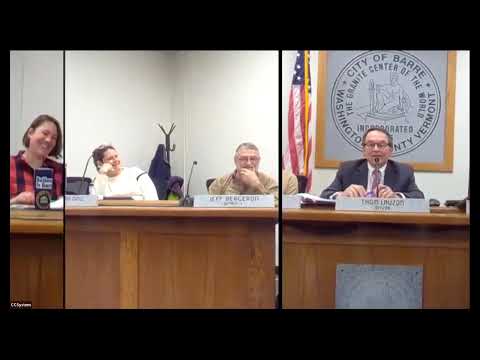
At a council presentation by the city’s Unhoused Community Committee, outreach workers and partner agencies described recent exits in the range of several people over a few days and emphasized that those leaving the hotel program range in age and needs. Oza Bush of Good Samaritan Haven described recent exits and donated supplies arriving to support people who become unsheltered. Dan Barlow of People’s Health and Wellness Clinic warned of the health consequences of losing temporary hotel placements, saying, “One of the benefits of having people housed is that we can bring medical staff directly to them to provide care.”
Nut graf: Providers stressed limits in the existing data system for predicting imminent exits, described how the coordinated entry system records people who accept services, and asked the city to get non‑identifying aggregated data about likely exit counts so local responders can plan supplies and staffing.
What providers said and what the city can do - Coordinated entry. Committee members said case‑level tracking exists for people who accept services; aggregated numbers for the local area can be pulled but fluctuate daily and may not show people who move outside the region. Providers described the typical eligibility framework for emergency hotel placements as an 80‑day allotment in a 12‑month rolling period unless extended by an executive order or other policy exemption. - Immediate supports. Tess (the city’s homelessness coordinator) described an existing $6,000 council appropriation that funded staff and volunteer support for a warming center; the council agreed to continue that support through the grant funding period. Tess said the warming center has relied on volunteer labor and some unsolicited donations but would need additional planning and a sprinkler upgrade if it were to operate as a longer‑term emergency shelter. - Sanitation and supplies. The committee reported two portable toilets in place: one near the Methodist Church and a second to be sited by Enterprise Alley near the bike path. Providers urged continued donations of propane canisters, sleeping bags, tarps and lightly used blankets; Tess and partner agencies offered drop‑off points and coordination.
Policy and capacity questions Committee members and councilors discussed the limits of municipal authority and funding. Several councilors asked whether a designated camping site with platforms, toilets and periodic staff visits could be set up on city property or regionally in collaboration with neighboring communities; committee members said such a site would need staffing, running water and trash removal to be safe and viable.
Ending: Councilors asked staff to provide non‑identifying, aggregated exit projections when feasible and to place further homeless‑service updates on upcoming agendas. Providers said they would continue daily outreach and coordination with regional partners, including Capstone, to monitor eligibility windows and plan supports.