Get Full Government Meeting Transcripts, Videos, & Alerts Forever!
Get email alerts on the Sustainability Plan topic
No spam. Unsubscribe anytime.
Evanston District 65 unveils first sustainability plan; board to consider policy revision
Summary
District 65 presented its first-ever sustainability plan — Sustainable Schools, Healthy and Just Futures — and proposed a revision to Board Policy 4:70 (Resource Conservation). Staff asked the board to introduce the policy change tonight with a vote at a future meeting.
District 65 presented its first comprehensive sustainability plan on April 7, outlining goals for teaching and learning, healthy environments, sustainable operations and transportation. The district asked the Board of Education to introduce a revision to Policy 4:70 (Resource Conservation) that would formally reference and hook the new plan into board policy; a vote on the policy was scheduled for a future board meeting.
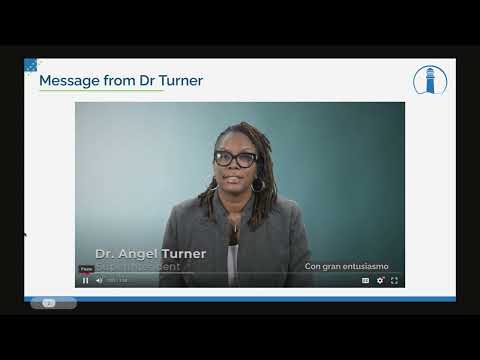
The plan, titled Sustainable Schools, Healthy and Just Futures, was presented by District 65 sustainability staff and noted in a prerecorded message from Superintendent Dr. Turner. Karen Baratta, identified in the meeting as District 65 sustainability coordinator, described a development process that began in October 2024, involved a 40-person working group and produced a 29-page plan the district placed in the board packet.
"Scientists agree, it's real, it's us, it's bad, and there is hope," Baratta said while summarizing the plan's rationale and goals. Jack Jordan, executive director of Climate Action Evanston, urged the board to adopt the plan and called the process “one of the best, like, well run planning processes I've ever seen,” praising staff and community involvement.
The plan sets specific goals across four focus areas. For teaching and learning it calls for pre-K–8 climate education, staff learning and change-making opportunities for students. Healthy-environment goals include a districtwide indoor air quality management plan, facility performance standards for new construction and renovations, and expanded outdoor learning spaces. Sustainable operations goals include reaching net-zero scope 1 and 2 emissions by 2050, installing low-flow water fixtures, increasing sustainably sourced food procurement, and improving waste reduction and recycling. Transportation goals address the district fleet, school buses (in partnership with private transportation providers) and increasing sustainable travel modes for students and staff.
Staff told the board they plan annual public reporting via a dashboard and periodic plan updates. They also asked the board to adopt the revised Policy 4:70 so the plan has a policy anchor; the revision was introduced but not voted on at the April 7 meeting. Board members praised the collaborative process and asked for a redline of the policy changes in the next packet so members can see what was added or removed compared with the district’s prior policy and an external model (Press Plus).
Baratta and other staff acknowledged that implementation will require funding and partnerships. Board members and staff discussed using the plan to inform long-term capital decisions and financial planning, and to leverage external grants and partnerships to implement projects such as energy upgrades, outdoor learning spaces and transportation changes. Staff said the policy revision would be presented for adoption at a subsequent board meeting after members have time to review redline language.
The district also emphasized equity tools: administrators said the district will apply the district’s equity impact assessment when implementing sustainability actions and when coordinating shared projects with the City of Evanston and other partners.
The presentation concluded with staff offering to return with implementation timelines, indicators of progress and multilingual outreach plans. No formal board vote on the policy change occurred at this meeting; adoption remains pending.