Get Full Government Meeting Transcripts, Videos, & Alerts Forever!
Get email alerts on the Code Enforcement topic
No spam. Unsubscribe anytime.
Board reviews package of property-code updates on high grass, emergency abatement and parking
Summary
City staff described three coordinated ordinances to speed enforcement of high grass, create an expedited emergency abatement hearing and tighten parking-in-yard rules; the board asked for Spanish translations and consistent enforcement checklists.
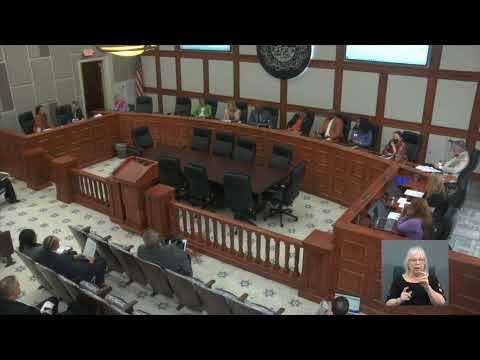
The Little Rock Board of Directors heard staff presentations on a package of three related property-code ordinances intended to make neighborhood code enforcement more consistent and faster: updates to the high-grass (weed) ordinance, a new expedited emergency abatement hearing tied to structure closures, and revisions to the "parking in the yard" ordinance.
Cody Pritchard, senior deputy city attorney, summarized the package and the intended operational changes. On high grass, the proposed ordinance would allow immediate citations comparable to parking tickets, change the current notice window from a calendar-year rule to a 365-day period, and set scheduled fines ($50, $100, $200 tiers) for repeat violations within a calendar year. On emergency abatement and tenant vacatur, Pritchard said the ordinance creates an expedited process modeled on the city's dangerous-dog hearing: if an unsafe structure requires immediate vacancy, the city manager (or a designee) would hold an expedited hearing after the emergency closure to address due-process concerns, rather than waiting for a monthly board meeting. Pritchard stressed this is intended to balance urgent public-safety action with post-deprivation due process required by court rulings; he cited the Alexander Apartments case as the legal context.
On parking in the yard, staff said the revised ordinance will limit the area of a yard that can be used for parking and require clearly delineated parking areas. The draft borrows language from ordinances used in Tulsa and Des Moines and would shift appeals for variances to the Board of Adjustment instead of the planning director. Staff clarified that the proposal applies to front yards and corner-side yards (not backyards) and that the existing abandoned-vehicles ordinance addresses inoperable vehicles in backyards.
Directors asked for implementation details and outreach. Director Adcock and others requested copies of the ordinances in Spanish and asked that staff distribute printed Spanish-language materials (the board requested 100 copies each) before enforcement begins. Director Webb and others recommended neighborhood outreach by code and city attorney staff to explain enforcement and correct public misconceptions. Director Phillips suggested standardizing the emergency abatement hearing with a short checklist or prompts to ensure uniform decisions; staff agreed to draft procedures and forms for review.
Staff said the parking-in-yard provision will not affect backyards under the current draft and that the abandoned-vehicle ordinance will continue to address inoperable vehicles there. City staff said the high-grass and parking changes would take effect upon passage; the board asked staff to provide Spanish translations and neighborhood outreach before enforcement begins.