Get Full Government Meeting Transcripts, Videos, & Alerts Forever!
Get email alerts on the Planning Procedure Training topic
No spam. Unsubscribe anytime.
Wasilla planning commissioners receive training on procedure, written findings, conflicts and record-keeping
Summary
At a March 25 Planning Commission meeting, city staff led a training on parliamentary procedure, written findings for quasi‑judicial decisions, ex parte/partiality rules, and agenda-setting under the city—s code and the pending Title 16 rewrite.
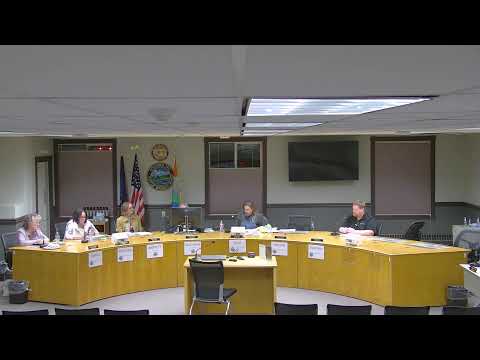
WASILLA, Alaska — At its March 25 meeting, the Wasilla Planning Commission spent the bulk of the evening in a Committee of the Whole for a training session led by City Clerk Jamie Newman and the city attorney focusing on parliamentary procedure, how to draft written findings for quasi‑judicial decisions and the rules the commission must follow when members receive outside information.
The training came during a regular meeting called to order at 6:04 p.m. and attended by Commissioners Seals, DeYoung and Stafford in the chambers and Commissioner Brown on the phone; Commissioner Langill arrived about 6:25 p.m. The commission approved a corrected consent agenda and then voted unanimously to enter the Committee of the Whole for the training.
City Clerk Jamie Newman opened the instructional portion, stressing that Robert—s Rules of Order is the municipal parliamentary authority and reminding members that the chair controls meeting decorum. Newman said the basic motion process is: obtain the floor, make a motion, have the motion seconded, the chair restates the motion, members debate and then the body votes. "It's based on the will of the majority, the right of the minority to be heard, courtesy for all, and most importantly ... consideration of one subject at a time," Newman told the commission.
Why the training matters
The city attorney and clerk told commissioners that careful procedure and clear written findings reduce legal risk and increase public confidence. The city attorney said drafting findings is required by the municipal code and by Alaska case law and recommended that commissioners (1) identify the relevant code criteria before weighing the evidence, (2) make a record of which evidence they relied on and (3) explain in writing why contested testimony was persuasive or not. "New information, old findings does not mix," the attorney said when discussing the danger of post‑hearing evidence.
Guidance on written findings and the record
Attorneys leading the training explained that written findings should tie specific facts in the record to each code criterion the commission must apply. They said recommended findings prepared by the planner can be used, but commissioners must confirm the planner—s statements against the record and add or edit findings when new testimony at a hearing raises issues not previously in the packet.
The training set out three commonly used approaches for producing written findings: (1) the city attorney or outside counsel drafts findings after deliberations, (2) the commission provides findings on the record and instructs the planner to prepare the written decision, or (3) the planner presents recommended findings and the commission adopts/amends them during the hearing. Trainers said each method is acceptable but urged clarity and attentiveness when new testimony is introduced.
Ex parte, partiality and communications
The city attorney reviewed the commission—s ex parte and partiality rules as encoded in the municipal code and urged members to disclose any outside contacts about a pending quasi‑judicial matter. Commissioners were told that partiality differs from a conflict of interest: partiality exists where a commissioner—s ability to make an impartial decision may be impaired or where reasonable people would conclude it is impaired. The code requires a commissioner who believes they may be partial to disclose the facts and either excuse themself or allow the body to vote on whether the member should participate. Trainers recommended keeping any disclosure on the record and, when in doubt, asking for an advisory opinion from the city attorney.
Roles, agenda setting and the planner—s relationship to the body
Planner Cindy Wellman (referred to in the meeting as Planner Wellman) and the city attorney discussed how the planning commissioner role differs from the council—s legislative function. Wellman emphasized that the planning commission is often required to render quasi‑judicial decisions on permits and is constrained by application deadlines and statutory notice requirements. She said commissioners may request items be put on a future agenda but that the planner and chair together set and prioritize the agenda to respect deadlines and due‑process obligations. Wellman said she will bring a proposed yearly calendar to the commission so members can see recurring duties (for example, capital improvement program review and comprehensive plan elements) and better plan inquiries and requests.
Title 16 rewrite, downtown overlay and other work queue items
Staff told commissioners the coming Title 16 rewrite will increase the number of conditional‑use and other items arriving before the commission and that the commission will need to clarify roles and a work calendar. Trainers and staff identified pending or likely items that will come before the commission soon, including the Title 16 introduction and related downtown overlay and telecommunications provisions, and urged members to use the established agenda request process (normally via the chair) rather than expect ad‑hoc responses from staff.
Parks, Nunley Park and development plan responsibilities
Commissioners asked about the Planning Commission—s role in park development and modifications. Trainers and planners explained that the commission typically plays a strong role in initial site selection and plan approval; subsequent park design or operational modifications often move to Parks and Recreation and then to council. Staff noted an example discussed at a recent council meeting: a resolution related to modifications at Nunley Park that reaffirmed council expectations about a development plan and added a requirement for an independent contractor in that instance.
Recordation of permits and conditional use permits
City staff and the clerk discussed the potential benefits of recording certain planning permits and findings in the recorder—s office so that they appear in property title searches. Trainers suggested that recorded permits (for example, conditional use permits that "run with the land") would give future property buyers clearer notice of limits and conditions; staff said they would explore adding a requirement in Title 16 that certain permits be recorded and would work with the clerk's office to improve public access to meeting files and decisions.
Example: infrastructure cost sharing discussed
Commissioners discussed a recent council decision the training referenced: council approved about $107,000 related to a street water upgrade that took advantage of an applicant—s trench to install an oversized main (transcript discussion). Trainers explained that cost‑sharing and reimbursement rules often exist in the code for upsized utility components and that such arrangements are layered and can follow separate approval and recording steps.
Next steps and practical aids
Trainers said they will return with short, targeted "mini" trainings and recommended that commissioners bring printed or digital excerpts of the most relevant code sections to hearings. Planner Wellman said staff will compile a proposed annual calendar and make recommended code sections and criteria easier to find in packet materials.
Ending
After more than two hours of training and discussion the commission voted to exit the Committee of the Whole and returned to the regular meeting schedule. The meeting recessed for a short break earlier in the evening and adjourned about 9:36 p.m.
Quotes in this article are taken verbatim from the March 25, 2025 Planning Commission meeting transcript and are attributed to speakers in the speaker list below.