Get Full Government Meeting Transcripts, Videos, & Alerts Forever!
Get email alerts on the Health Insurance Marketplace topic
No spam. Unsubscribe anytime.
Department of Banking and Insurance warns federal rule and expiring tax credits could shrink Get Covered New Jersey enrollment
Summary
At an Assembly Budget Committee hearing, the Department of Banking and Insurance outlined its $65.3 million fiscal 2026 operating budget and warned that proposed federal rule changes and the expiration of enhanced premium tax credits could sharply reduce enrollment and raise premiums on the state health insurance exchange, Get Covered New Jersey.
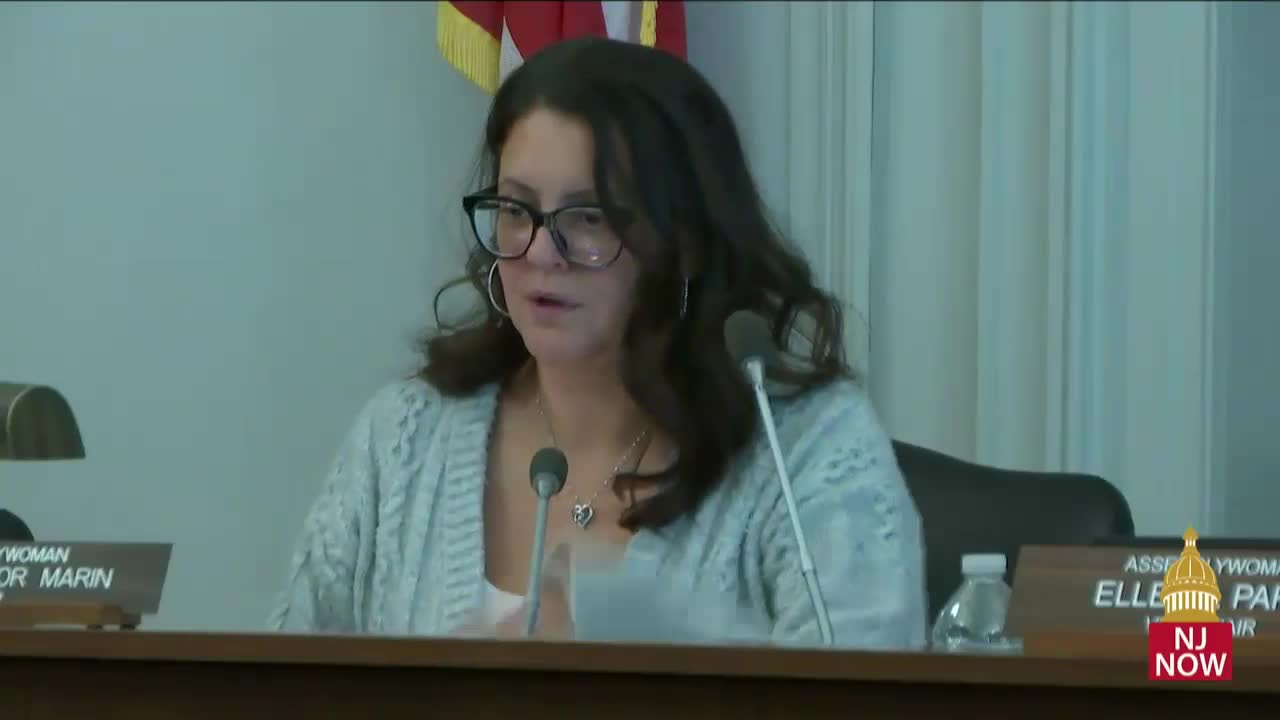
The Department of Banking and Insurance presented its fiscal 2026 operating budget and policy update Wednesday to the New Jersey Assembly Budget Committee, warning that a proposed Centers for Medicare & Medicaid Services rule and the likely expiration of enhanced federal premium tax credits could reduce enrollment and make coverage less affordable on the state-run exchange, Get Covered New Jersey.
Commissioner, speaking to Chairperson Pinter Moran, Vice Chair Park and the committee, said the department’s operational budget for fiscal year 2026 is $65,300,000 and stressed the state’s role in expanding access to coverage since launching Get Covered New Jersey in November 2020. “During the most recent open enrollment period, over half a million New Jerseyans signed up for health coverage,” the commissioner said, citing record enrollment and growth in state subsidy programs that lower monthly premiums.
The department highlighted three central threats to the exchange’s recent gains. First, the temporary increase in federal premium tax credits enacted as part of the Inflation Reduction Act will expire at the end of 2025 unless Congress acts. The commissioner said, “If Congress does not act to extend subsidies, New Jerseyans will lose $500,000,000 in federal tax credits, and the cost of health coverage will increase for nearly 455,000 New Jersey residents.” The department estimated an average annual premium increase of about $1,260 per person without congressional action.
Second, the department said, the Centers for Medicare & Medicaid Services (CMS) has proposed a rule that would shorten the annual open enrollment window for state-based exchanges from three months back to six weeks and could limit special enrollment options the state currently offers. The commissioner said the department “will be submitting a formal comment on the rule proposal outlining how these proposed changes could impact the success of Get Covered New Jersey.”
Third, the department pointed to its federally approved Section 1332 state innovation waiver that supports a reinsurance program the commissioner said lowers premiums in the individual market by about 15 percent. The waiver extension, approved through 2028, received an estimated pass-through funding notice of “over $555,000,000” for the current year, the commissioner said.
The department described other steps to promote affordability and access: state subsidies called New Jersey Health Plan Savings, navigator funding, and consumer assistance. The commissioner said state subsidies now extend to residents with incomes up to about 600% of the federal poverty level—roughly $90,000 for an individual and about $187,000 for a family of four—and credited the Inflation Reduction Act’s temporary enhancements for allowing that expansion. The department said nine out of 10 exchange enrollees qualify for financial assistance; the average amount of assistance in the last open enrollment period was $589 per person per month (about $7,068 per person per year). The commissioner also said the department invested $5,000,000 in navigator organizations during the most recent open enrollment period, up from approximately $400,000 in federal navigator funding in 2019.
Committee members used the hearing to press the department on contingency planning and consumer protections if federal supports lapse. One member asked about options if federal tax credits expire; the commissioner said the state’s ability to replace those credits is limited and emphasized legislative advocacy and public education, as well as ongoing work through the state HEART program to study cost drivers.
Members also questioned the department about insurance rate requests and market pressure in auto and homeowners insurance. The commissioner described the department’s rate-review process and said the department had “blocked over a billion dollars worth of rate increases” across auto and homeowners lines over the previous two-and-a-half years, citing a roughly $1.15 billion split between auto and homeowners requests (about $1 billion auto, $150 million homeowners). Commissioners and assembly members pressed for data on how many carriers requested rate increases and what average increases were ultimately approved; the department said it would provide more detailed statistics to the committee.
On consumer protections the commissioner reiterated that New Jersey requires carriers to meet network-adequacy standards and listed the six carriers offering plans on Get Covered New Jersey as Horizon, AmeriHealth, Oscar, United, Aetna and WellCare. When asked about an apparent provider exit, the commissioner said carriers set networks and must comply with adequacy requirements.
Committee members raised banking issues, including the decline in the number of state-chartered banks (the commissioner said the department currently oversees 40 state-chartered banks, down from 55 several years earlier) and branch closures in Ocean County. The commissioner said consolidation and federal charters explain much of the decline and noted the department lacks supervisory authority over federally chartered banks.
The hearing included questions about two 2024 laws the department helped implement: a statute to license pharmacy benefit managers (PBMs) and a law extending a $35-a-month insulin cap to all state-regulated markets. The commissioner said the PBM licensing law requires new oversight and that the insulin cap and other prescription-cost measures are in effect for health plans regulated by the department, including those sold through the exchange.
The department identified several next steps during the hearing: submitting formal comments to CMS on the proposed enrollment rule, providing requested data to the committee about rate requests and approvals, and continuing interagency work on affordability research through the HEART program and the Department of Health. The commissioner closed by reiterating the department’s dual goals of consumer protection and market stability.
The presentation drew extensive committee questioning but produced no formal votes or committee directives recorded in the hearing transcript.