Parks audit finds lapses in deposit controls and recommends armored-car or hybrid transport to reduce risk
Loading...
Summary
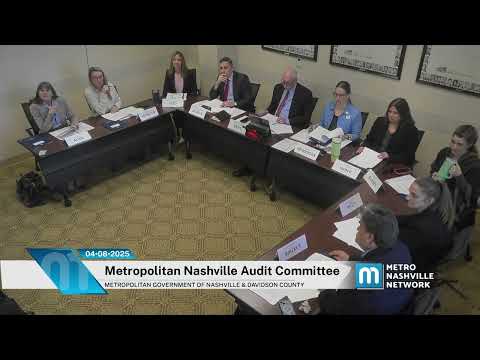
An audit of Parks and Recreation cash collections found two-person deposit controls were missing for nearly 19% of sampled deposits and recommended restoring deposit-monitoring, assessing an armored-car service for higher-value locations and improving physical security at revenue sites.
Metro auditors reviewed Parks and Recreation’s cash-collection processes and found generally compliant written procedures but inconsistent practice in some locations. In a sample of 140 deposits the auditors observed that 27 deposits (about 19 percent) did not have documented two-person integrity for preparing the deposit.
The report traced five prior incidents in which the bank returned deposit notifications that did not match deposit slips; auditors said those discrepancies resulted from clerical errors rather than financial loss, and noted that two-person verification would likely have prevented the mismatches.
Auditors also observed physical-security weaknesses at some revenue centers and recommended remediation; those detailed observations were redacted from the public report for security reasons. The internal cost analysis compared the current practice — a Parks Police officer who picks up deposits and transports them to the bank — against using Metro—s contracted armored-car service. Auditors estimated the armored-car service would cost a little over $200,000 annually versus the supporting cost of the current officer (about $100,000 including benefits), producing a gross budgetary increase but potentially improving security and freeing Parks Police officers for public-safety duties.
The audit recommended that Parks and Recreation restart operational revenue monitoring reports so on-site management can see unusual fluctuations; the department had paused those reports during staff turnover and has since resumed them. Auditors also recommended Parks consider a hybrid approach — armored-car service for high-volume locations and internal transport for lower-volume sites — and to reassess the deposit process to strengthen two-person controls and documentation.
The committee accepted the report and asked Parks leadership to present follow-up cost and implementation analyses, including a clearer breakdown of cash versus electronic receipts and the practical trade-offs between using Parks Police for transport and contracted armored services.