Get Full Government Meeting Transcripts, Videos, & Alerts Forever!
Get email alerts on the Short Term Rentals Enforcement topic
No spam. Unsubscribe anytime.
Staff reports multiple short-term rental violations; proposes logbook rules, annual inspections and tougher penalties
Summary
Planning staff reported spot inspections of three short-term rentals that found missing logbooks, advertising of individual rooms, and apparent overuse of allowable nights; staff proposed drafting code language to require standardized logbooks, permit annual zoning inspections and consider higher penalties and suspension triggers.
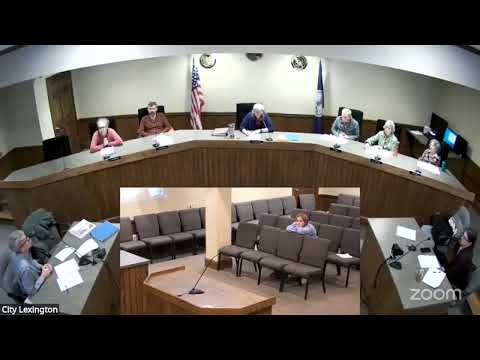
Planning staff told the Lexington Planning Commission on April 10 that a spot inspection of three short‑term rentals found repeated compliance problems and recommended code changes and stronger enforcement.
Staff summarized the short‑term rental framework the commission currently enforces: type A rentals (host present) allow up to two rooms and up to 104 nights per year while type B rentals (the whole unit is rented when the host is absent) are limited to 45 nights per year, staff said. The inspections found no on‑site logbooks, advertising of individual rooms rather than consolidated bookings, missing postings for trash/recycling dates and host contact information, and evidence that at least some operators exceeded allowable nights.
Staff said two operators have agreed to pay the existing $200 summons for violations; Virginia state law provides a $500 penalty where a short‑term rental is required to register but has not. Staff noted that existing fines may not deter noncompliance: one property’s Airbnb reports indicated gross revenue above $42,000 for the prior year, staff said.
To address those problems, staff proposed drafting a zoning text amendment and rules that would: require a standardized logbook (or platform data) showing type A/type B nights; specify whether a physical logbook is required or whether platform reports are acceptable; allow the zoning administrator to conduct an annual inspection for short‑term rental zoning compliance (in addition to building inspections by the building official); and revisit penalties and suspension criteria to make enforcement more effective. Staff also noted the administrative burden of pursuing summonses, including documentation, notices of violation and potential court appearances.
Commissioners instructed staff to draft proposed language for review at an upcoming meeting and to consult the city attorney’s office as needed. Staff said minor registration adjustments could be implemented administratively but significant changes to penalties and suspension authority should be adopted through a public text-amendment process.
No new ordinance was adopted at this meeting; staff will return with draft language for commission review in a subsequent meeting.