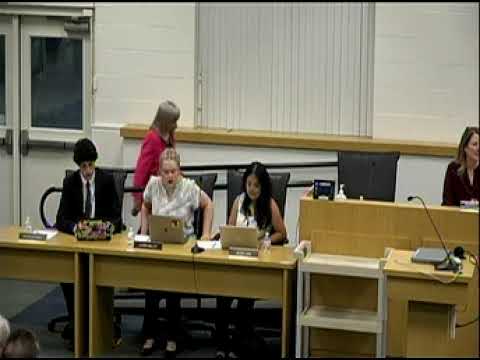
Resident tells board district violated new suspension law for youngest students; seeks policy change and cultural review
Loading...
Summary
At public comment, Julian Carlson said district procedures governing suspension misalign with a recently effective state law he identified as "public acts 2,445" (effective July 1, 2024), contending a child was punished more harshly than the law permits and urging immediate corrective action and cultural change.
A Southington resident told the Board of Education Tuesday that the district's suspension procedures for young students are out of step with a new state law and urged immediate corrective action.
Julian Carlson of 62 Old Turnpike Road told the board he is concerned that board policy May 6 (procedures governing suspension) "misalign[s] with public acts 2,445, which took effect on 07/01/2024." Carlson said the law caps out‑of‑school suspensions for the district's youngest students at five days and requires that those students be provided trauma‑informed services upon return to school.
Carlson said he believes the district recently applied the older suspension rules "to the detriment of at least one child and possibly more," adding that the district doubled the permitted punishment for a child and only corrected course after a parent raised the issue. "Is this lack of knowledge or lack of caring?" he asked the board.
Carlson said the superintendent's response to him was "that it was simply an oversight," and he called the situation a "legal failure with emotional and academic consequences." He urged the board to pursue not just a policy change but a broader cultural review to ensure staff apply best practices when students' disabilities or trauma are involved.
Why it matters: The complaint alleges the district failed to follow a statutory change protecting young students from extended out‑of‑school suspensions and raises questions about staff training, policy updates and oversight.
Board response at the meeting: The complaint was raised during the public‑comment period; no formal board action to amend the policy was taken at the meeting. Carlson asked the board to place corrective action on a future agenda and to undertake accountability and transparency measures.
Ending: Carlson concluded by calling for changes that go beyond text amendments to address the district culture that permitted the misapplication of the law, and he urged immediate steps to ensure compliance and appropriate trauma‑informed support for affected students.