Get Full Government Meeting Transcripts, Videos, & Alerts Forever!
Get email alerts on the Code Enforcement topic
No spam. Unsubscribe anytime.
Board debates code enforcement and building-inspection duties as permitting capacity tightens
Summary
Council members discussed removing some code enforcement and building-inspector duties from the town manager job description, noted certification hurdles and delays with available inspectors, and explored county assistance and interim alternatives.
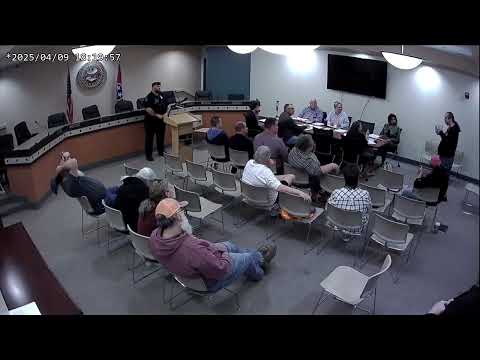
Bluff City officials spent part of the workshop examining who should handle code enforcement, flood-plain administration and building inspections as the town revises the town manager job description.
Why it matters: the city lacks certified local inspectors and has been relying on state permitting and neighboring jurisdictions. Board members said that assigning certain enforcement duties to the town manager without available certified staff could create legal and operational gaps.
Key points from the meeting: council members proposed removing flood-plain administrator and code-enforcement responsibilities from the manager’s core job description until the town can hire or contract certified inspectors. Participants warned that state certification and contractor-license requirements can take years and substantial training hours. Amber Torbett raised questions about permitting responsibilities and who collects permit fees; the board discussed the possibility of using part-time inspectors from nearby municipalities on a case-by-case basis.
County cooperation and legal questions: the board referenced prior conversations about Sullivan County or neighboring municipalities assisting with inspections. City attorney involvement will be required to settle liability and who would prosecute code cases if the town receives enforcement authority.
Operational impact: residents seeking permits were told to contact the state electrical inspector for work requiring electrical permits; the board recommended contacting the town manager’s office for additional guidance and for the town to develop a clear permitting process while it explores longer-term inspector options.
Ending: the board asked staff to compile outstanding questions (permits, fee handling, legal responsibilities) for the attorney and to explore temporary inspection arrangements until the town can recruit certified personnel.