Get Full Government Meeting Transcripts, Videos, & Alerts Forever!
Get email alerts on the Corrections Canteens Pricing topic
No spam. Unsubscribe anytime.
Subcommittee backs bill to cap prices at Department of Corrections canteens
Summary
House Bill 3,929 received a favorable report from the Domestic Relations Business and Probate Law Subcommittee; the bill would authorize the Department of Corrections to limit prices charged in prison canteens when implemented by a facility administrator.
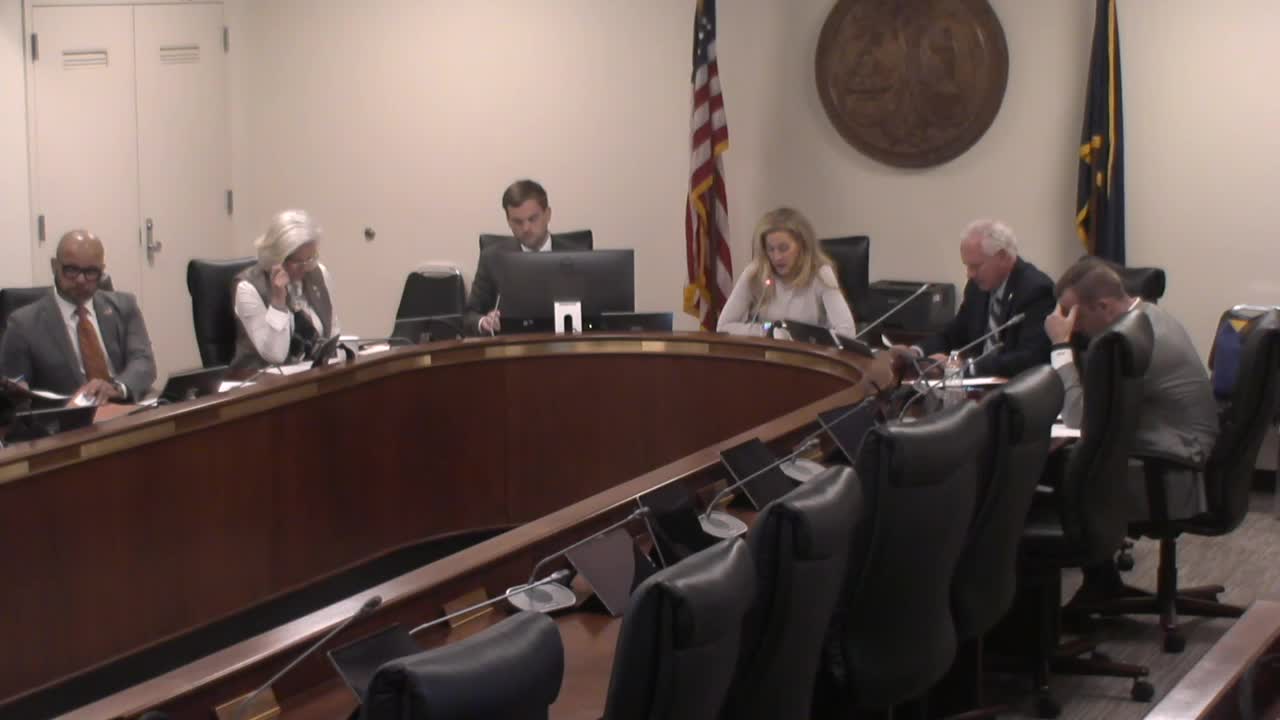
The Domestic Relations Business and Probate Law Subcommittee on Thursday gave House Bill 3,929 a favorable report, a measure that would establish statutory provisions governing how the South Carolina Department of Corrections manages canteen operations and the pricing of items sold to incarcerated people.
Representative John King, sponsor of the bill, said the measure is intended to address what he described as price gouging in facility canteens and would set a cap on how much facilities may charge for common personal items. King told the committee he had heard accounts from family members of incarcerated people that basic items such as small deodorant were being sold at high prices; the bill would cap those prices if a warden or facility manager chooses to operate a canteen under the statutory framework.
Committee members clarified that the bill does not require prisons to operate a canteen; rather, it establishes limits and operational rules to apply if a facility elects to run a canteen. The decision to adopt the statute’s canteen framework would rest with each facility’s warden or manager. The subcommittee voted 5-0 to give the bill a favorable report.
No specific price schedule or cap amount was specified during the subcommittee discussion; Representative King said the bill would prevent excessive charges but the text relied on facility implementation decisions. The committee did not record amendments or additional directions to staff during the hearing.