Get Full Government Meeting Transcripts, Videos, & Alerts Forever!
Get email alerts on the Probate Accounts Patronage topic
No spam. Unsubscribe anytime.
Subcommittee clarifies treatment of cooperative patronage capital in probate code
Summary
House Bill 3,914 received a favorable report from the Domestic Relations Business and Probate Law Subcommittee after members agreed to amend the South Carolina Probate Code so patronage capital accounts at electric and telephone cooperatives are treated as accounts for probate purposes.
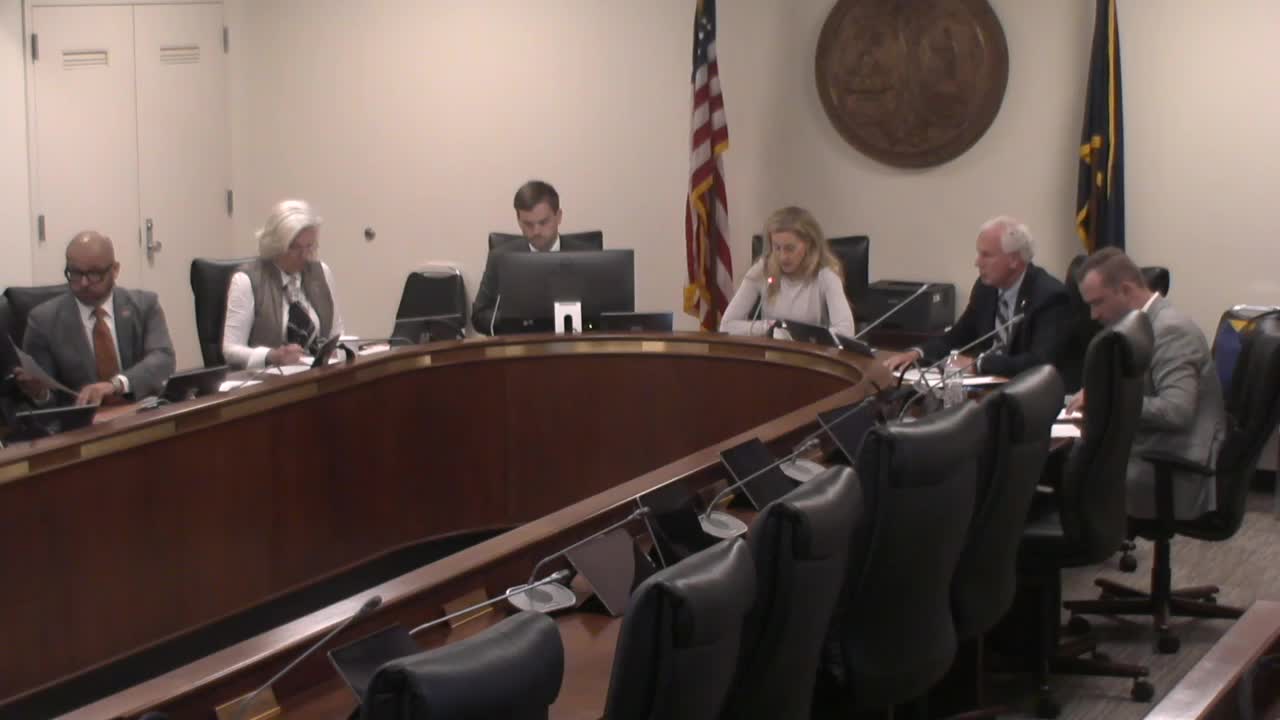
The Domestic Relations Business and Probate Law Subcommittee on Thursday gave House Bill 3,914 a favorable report clarifying how patronage capital accounts at electric and telephone cooperatives are handled under the South Carolina Probate Code.
The bill expands the probate definition of “account” to include patronage capital accounts — the member-share of surplus earnings allocated by cooperatives based on patron payments or capital contributions. Under current law, those accounts are not explicitly treated like checking or savings accounts for probate purposes. The change would clarify whether those funds pass by survivorship to co-owners on an account or into an estate when no survivorship interest exists.
Committee members said the change is intended to prevent small-value accounts from triggering the full probate process. One member described a case where a deceased person’s only check was for $67, and said opening a probate estate for that amount would be burdensome. The bill, as discussed, would take effect July 1, 2025, if enacted.
A Richland County probate judge was consulted and reported no concerns in advance of the subcommittee hearing, according to members. The subcommittee voted 5-0 to report the bill favorably to the next stage of legislative consideration.
No fiscal impacts or administrative implementation steps were specified during the subcommittee discussion.