Get Full Government Meeting Transcripts, Videos, & Alerts Forever!
Get email alerts on the Guardians Ad Litem topic
No spam. Unsubscribe anytime.
Subcommittee advances bill to require attorneys as guardians ad litem in most private custody cases
Summary
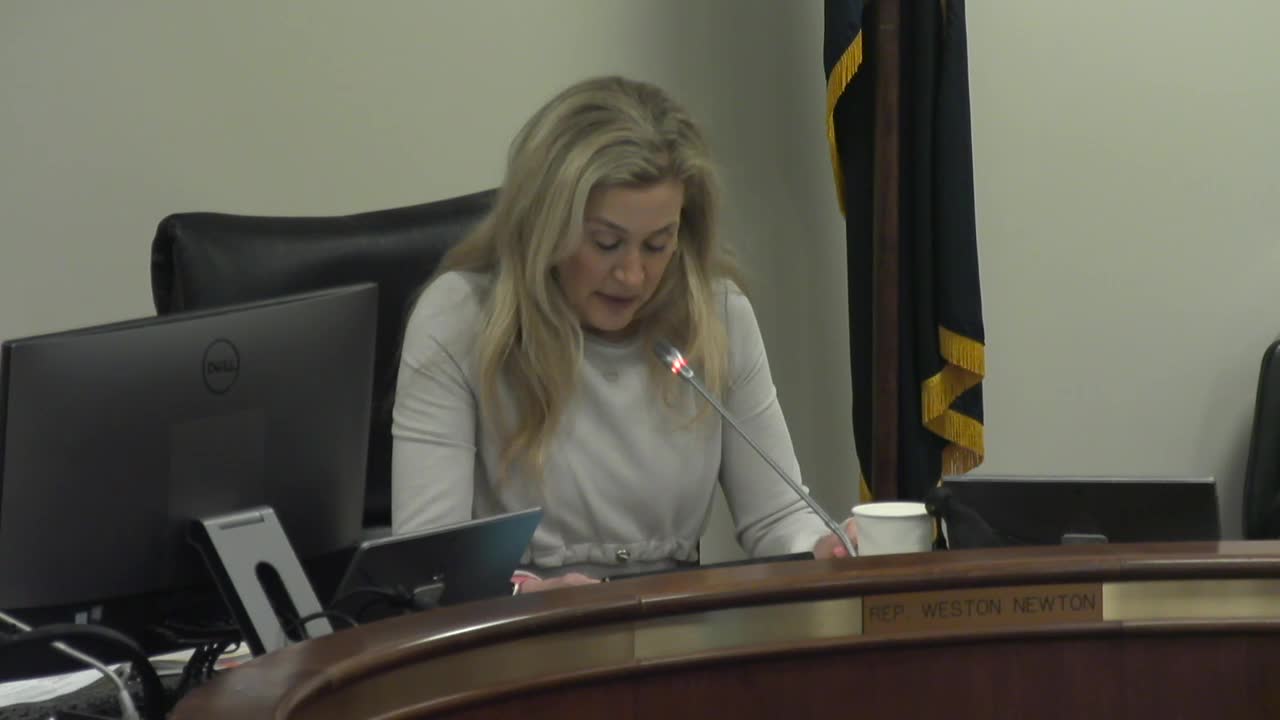
The Domestic Relations Business and Probate Law Subcommittee gave House Bill 3622 a favorable report, as amended, to generally require guardian ad litems in private child custody or visitation cases to be licensed South Carolina attorneys while allowing limited exceptions for lay guardians.
The Domestic Relations Business and Probate Law Subcommittee voted 5-0 to give House Bill 3,622 a favorable report as amended, a measure that would generally require guardian ad litems in private child custody and visitation cases to be licensed attorneys in good standing with the South Carolina Bar.
The amendment adopted by the subcommittee allows parties, regardless of whether they are represented, to mutually agree in writing and with court approval to the appointment of a lay guardian ad litem. It also gives the court discretion, based on the facts and circumstances of a case, to appoint either a lay or attorney guardian ad litem, and it preserves the eligibility of individuals already serving as guardians in pending cases.
Under current South Carolina law, both licensed attorneys and qualified laypersons can be appointed as guardians ad litem in private custody and visitation matters. Written testimony to the subcommittee and members’ remarks flagged two competing concerns: the bar’s disciplinary oversight when attorneys serve as guardians, and access-to-justice and cost issues when parties cannot afford attorney-appointed guardians. Representative David Martin cited long-serving lay guardians in York County and said lay guardians “charge a fraction of what attorney guardian ad litems do,” a factor he said can matter when both parties are unrepresented.
The amendment’s text retains existing qualifications for lay guardians — age, education, training, court observation and continuing education requirements — while adding the written-consent and court-discretion provisions. A committee member noted the judiciary and the chief justice’s office asked that guardians be licensed attorneys when parties are represented unless the parties consent otherwise so that guardian behavior remains subject to the rules of the bar and the Office of Disciplinary Counsel.
The subcommittee adopted the amendment and then ordered a roll-call on the bill. Representatives Bernstein, Paula Calhoun, Guess, John King and David Martin voted “aye.” With a vote of 5 in favor and none against, House Bill 3,622 received a favorable report as amended from the Domestic Relations Business and Probate Law Subcommittee.
If the measure advances, it would change the set of persons eligible for appointment in many private custody and visitation matters while preserving limited pathways for lay guardians in uncontested or mutually agreed cases.