Get Full Government Meeting Transcripts, Videos, & Alerts Forever!
Get email alerts on the Probate topic
No spam. Unsubscribe anytime.
Subcommittee backs bill to treat cooperative patronage capital as probate accounts
Summary
House Bill 3,914 received a favorable report by a 5-0 vote. The bill would expand the South Carolina probate code definition of “account” to include patronage capital accounts held by members of electric or telephone cooperatives, clarifying how those funds pass on death and avoiding small probates.
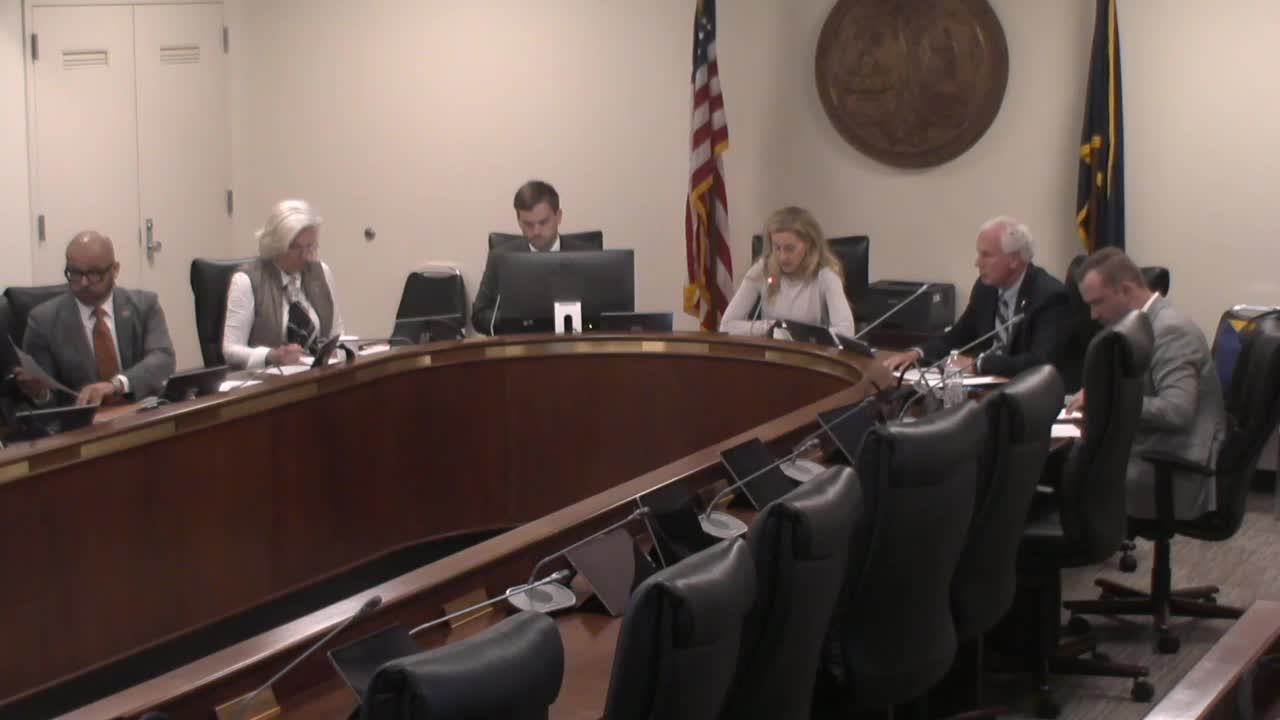
The Domestic Relations Business and Probate Law Subcommittee gave House Bill 3,914 a favorable report on a 5-0 roll call, approving a change to the South Carolina Probate Code to include patronage capital accounts held by members of electric or telephone cooperatives within the code’s definition of an “account.”
Patronage capital accounts represent a cooperative member’s share of surplus earnings allocated annually based on payments for services or capital contributions. Under current law such accounts are not explicitly treated as financial accounts for probate purposes; the bill would clarify how those funds pass on a member’s death — either directly to surviving co‑owners if survivorship is specified or into the decedent’s estate.
A supporter noted this change would reduce administrative burdens in small cases. The transcript includes an example in which a member’s $67 check would otherwise have required opening a probate estate; the change would allow such small amounts to be handled without a full probate in some circumstances.
The bill’s effective date, if enacted as written, would be July 1, 2025. A subcommittee member said they had spoken with the Richland County probate judge and the judge did not foresee issues with the change.
On roll call Representatives Bernstein, Paula Calhoun, Guess, John King and David Martin voted aye; none voted against. With the favorable report the bill advances to the next stage of the legislative process.