Get Full Government Meeting Transcripts, Videos, & Alerts Forever!
Get email alerts on the Guardianship topic
No spam. Unsubscribe anytime.
Panel narrows who may serve as guardian ad litem in private custody cases, allows written agreement for lay guardians
Summary
The Domestic Relations Business and Probate Law Subcommittee voted 5-0 to adopt an amendment to House Bill 3,622 that requires guardian ad litems in private child custody or visitation cases to be licensed South Carolina attorneys in most circumstances while allowing lay guardians by written party agreement or at judicial discretion.
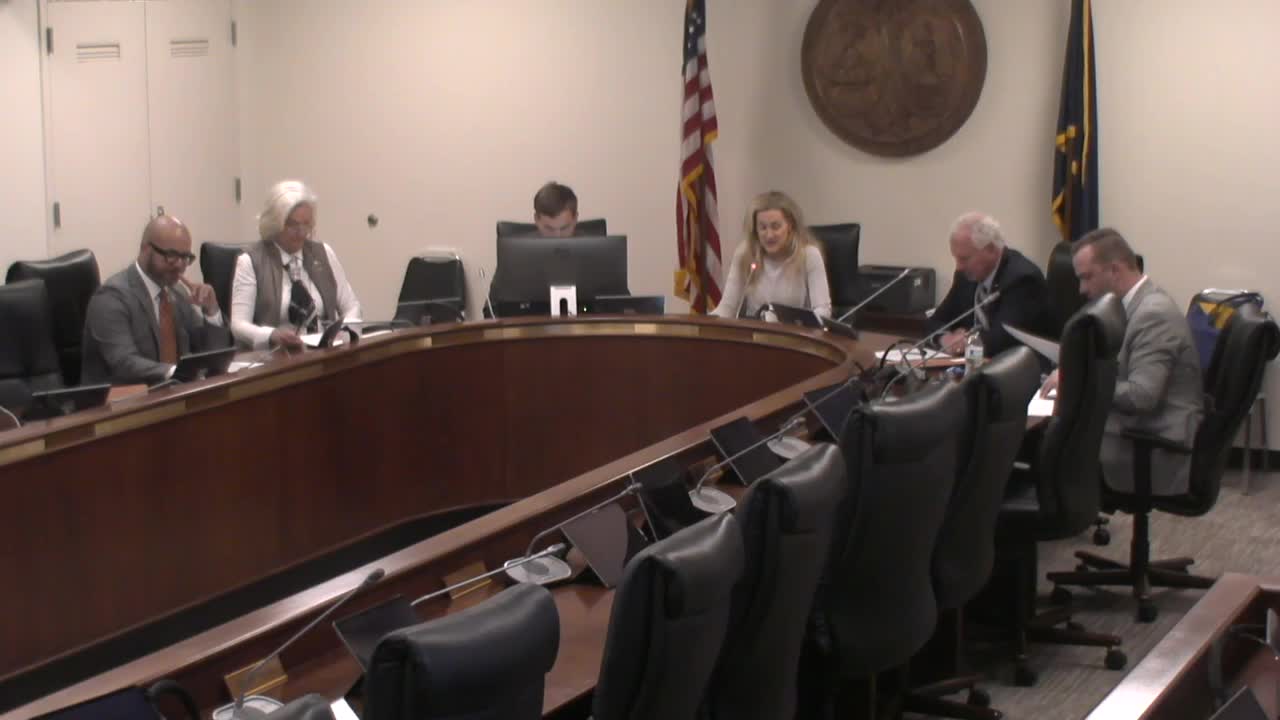
The Domestic Relations Business and Probate Law Subcommittee voted Thursday to adopt an amendment to House Bill 3,622 that would generally require guardian ad litems (GALs) appointed in private child custody or visitation cases to be licensed attorneys in good standing with the South Carolina Bar, while preserving limited roles for qualified lay guardians.
The amendment, adopted unanimously on a roll call vote of 5-0, would permit parties — regardless of whether they are represented — to mutually agree in writing, with court approval, to appoint a lay guardian ad litem. It would also give judges discretion to appoint a lay or attorney guardian based on the facts and circumstances of each case, and it would allow individuals currently serving as lay or attorney guardians in pending cases to continue without interruption.
Supporters said the change balances concerns about professional oversight with access and cost. The chair of the subcommittee, identified in the hearing transcript as the Subcommittee Chair, summarized the amendment and credited Representative Barton with helping draft it: "This amendment was drafted with the assistance of Representative Barton so thank you. It would modify section A1 to permit the parties regardless of representation status to mutually agree in writing and with court approval to the appointment of a lay guardian ad litem. It would also modify section A2 to afford the court discretion based on the facts circumstances of the case at hand to appoint either a lay or attorney guardian ad litem." The chair also noted the judiciary and the chief justice had asked that GALs be licensed attorneys when parties are represented so they are subject to the rules of the bar and the Office of Disciplinary Counsel.
Representative David Martin, who said he has handled "hundreds, probably thousands" of family law cases in South Carolina, argued the amendment preserves a role for experienced lay guardians where cost or access is an issue. "We have been very blessed in York County to have some really good lay guardians who have 20 years experience," Martin said, naming Holly Bennett, Terry Loveless and Terry Hagen and noting lay guardians typically charge a fraction of what attorney guardians do. He added the amendment helps in situations where two parties are unrepresented and cannot afford an attorney: "If you can't hire an attorney to represent you, it's gonna be difficult for these people to be able to hire to be able to pay an attorney guardian ad litem and come in their case."
Under current South Carolina practice, both attorneys and qualified laypersons can be appointed as GALs regardless of whether parties are represented. The bill would change that baseline, making attorney GALs the norm in private custody or visitation actions unless the parties are both unrepresented, agree in writing to a lay appointment and obtain court approval, or the court exercises discretion for other reasons. Existing qualifications for lay guardians — age, education, training, court observation and continuing education requirements — would remain in place.
The subcommittee adopted the amendment and then gave House Bill 3,622 a favorable report as amended on a roll call vote of 5-0. The recorded yeas were Representative Bernstein, Representative Paula Calhoun, Representative Guest, Representative John King and Representative David Martin.
The measure will proceed to the full committee or House floor according to the legislature's calendar and ordinary bill-processing rules.