Get Full Government Meeting Transcripts, Videos, & Alerts Forever!
Get email alerts on the Guardians Ad Litem topic
No spam. Unsubscribe anytime.
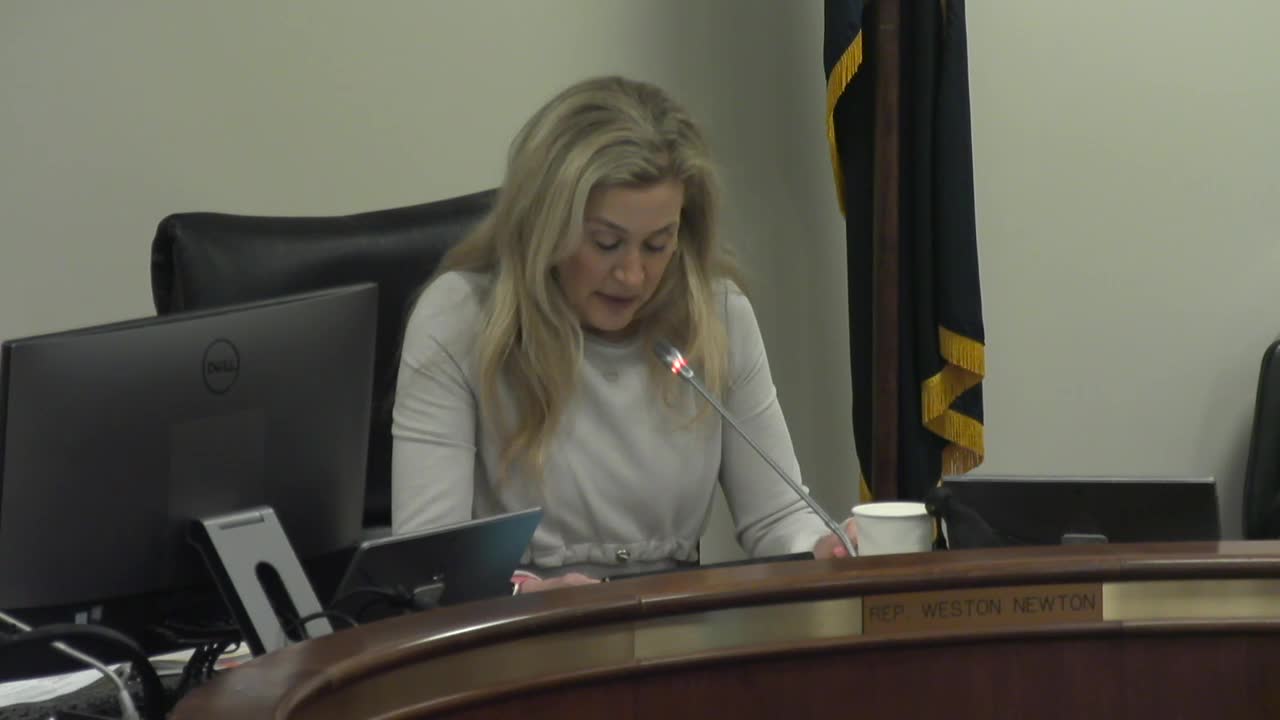
Subcommittee approves attorney requirement for guardians ad litem with limited exceptions
Summary
The Domestic Relations Business and Probate Law Subcommittee voted 5-0 to give House Bill 3,622 a favorable report as amended, requiring guardians ad litem in private custody or visitation cases generally be licensed attorneys while permitting written party agreement and judicial discretion to allow lay guardians in specified situations.
The Domestic Relations Business and Probate Law Subcommittee voted to give House Bill 3,622 a favorable report as amended on a 5-0 roll call, moving a proposal that would generally require guardian ad litems in private child custody or visitation cases to be licensed attorneys.
The bill would change South Carolina law so that guardians ad litem (GALs) appointed in private custody or visitation disputes are attorneys in good standing with the South Carolina Bar unless parties mutually agree otherwise and a court approves a lay guardian ad litem. An amendment adopted by the subcommittee also gives the court discretion — based on the facts and circumstances of a case — to appoint either a lay or attorney GAL, and it expressly preserves the eligibility of individuals currently serving as GALs in pending cases.
The bill text maintains existing baseline qualifications for lay GALs when they are appointed, including age, education, training, court observation and continuing education requirements. During discussion Representative David Martin said he supported the amendment in part because of experienced lay guardians who serve at a lower cost than attorneys in some counties, noting in York County “we have been very blessed in York County to have some really good lay guardians who have 20 years experience.”
A subcommittee member also said the judiciary and the bar had urged that GALs be attorneys when the parties are represented, noting that attorneys are subject to bar rules and the Office of Disciplinary Counsel. The amendment preserves parties’ ability to jointly agree, in writing and with court approval, to use a lay GAL even if one or both parties have counsel; it also explicitly allows courts to exercise discretion to appoint a lay GAL where the circumstances warrant.
The subcommittee adopted the amendment by voice vote and then approved the bill as amended on a roll call. Representatives Bernstein, Paula Calhoun, Guess, John King and David Martin voted aye; no members voted against.
If enacted, the statutory changes would alter who may be appointed as a GAL in private custody and visitation matters and would leave in place training and qualification requirements for lay GALs when they remain eligible. The measure does not change GAL duties or the court’s authority to oversee appointments beyond the provisions in the amendment.