Get Full Government Meeting Transcripts, Videos, & Alerts Forever!
Get email alerts on the Probate Patronage Accounts topic
No spam. Unsubscribe anytime.
Subcommittee backs change to probate code to include cooperative patronage capital accounts
Summary
House Bill 3,914 received a favorable 5-0 report to amend South Carolina's probate code so patronage capital accounts held by electric or telephone cooperatives are treated as accounts for probate purposes.
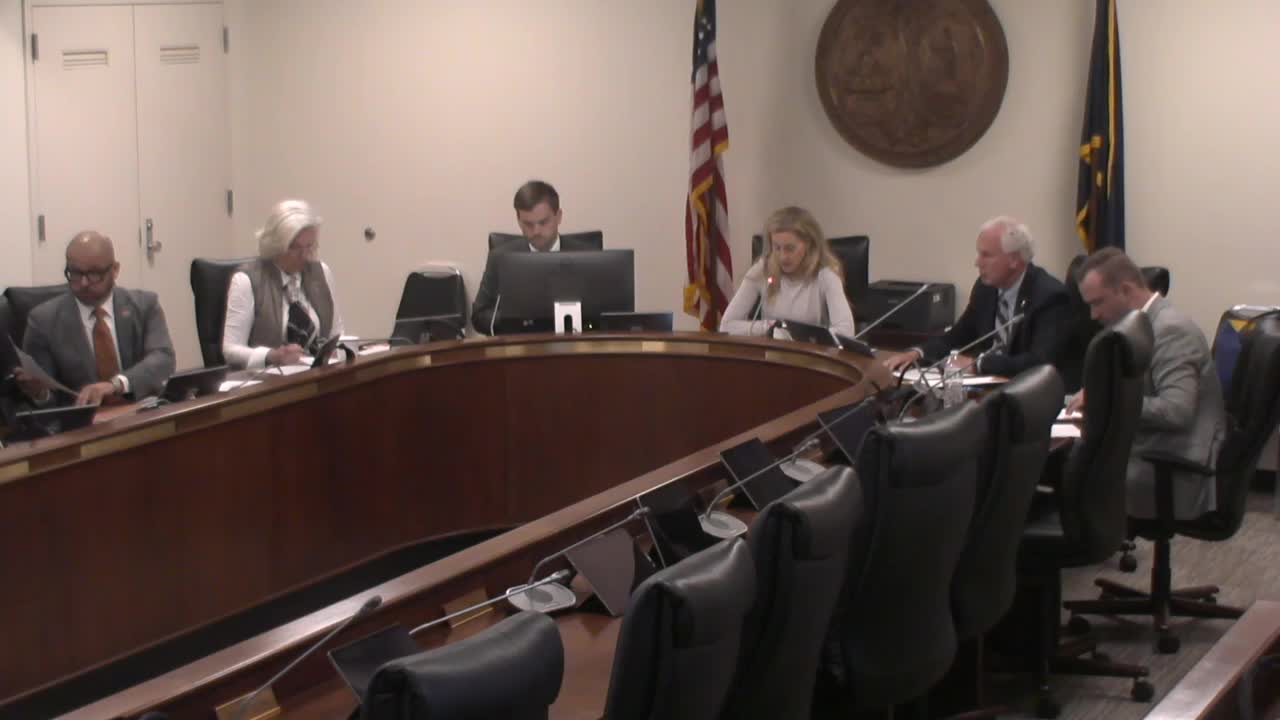
The Domestic Relations Business and Probate Law Subcommittee voted 5-0 to give House Bill 3,914 a favorable report; the bill would amend the South Carolina Probate Code to include patronage capital accounts held by members of electric or telephone cooperatives within the code's definition of "account."
Patronage capital accounts reflect a cooperative member's allocated share of surplus earnings based on payments or capital contributions. Under current law such accounts are not explicitly treated as financial accounts for probate purposes; HB 3,914 would clarify that these patronage capital accounts are covered by the probate code so they pass either by survivorship on an account that includes survivorship language or into a decedent's estate when appropriate.
A committee member reported consulting the Richland County probate judge, who "didn't see any issues" with the change. The committee also discussed a practical example raised by Representative Bailey involving a small cooperative payment (a $67 check) that otherwise could require opening a probate estate; the bill was described as a remedy for similarly small-value cases.
The bill's stated effective date in committee discussion was July 1, 2025, if enacted. The committee adopted the favorable report by roll call: five in favor, none opposed.
Committee members did not identify broader fiscal impacts or amendments during the hearing; the subcommittee recorded the favorable report and moved the bill forward to the next stage of consideration.