Get Full Government Meeting Transcripts, Videos, & Alerts Forever!
Get email alerts on the Guardians Ad Litem topic
No spam. Unsubscribe anytime.
Subcommittee approves bill requiring attorneys as guardians ad litem in most private custody cases
Summary
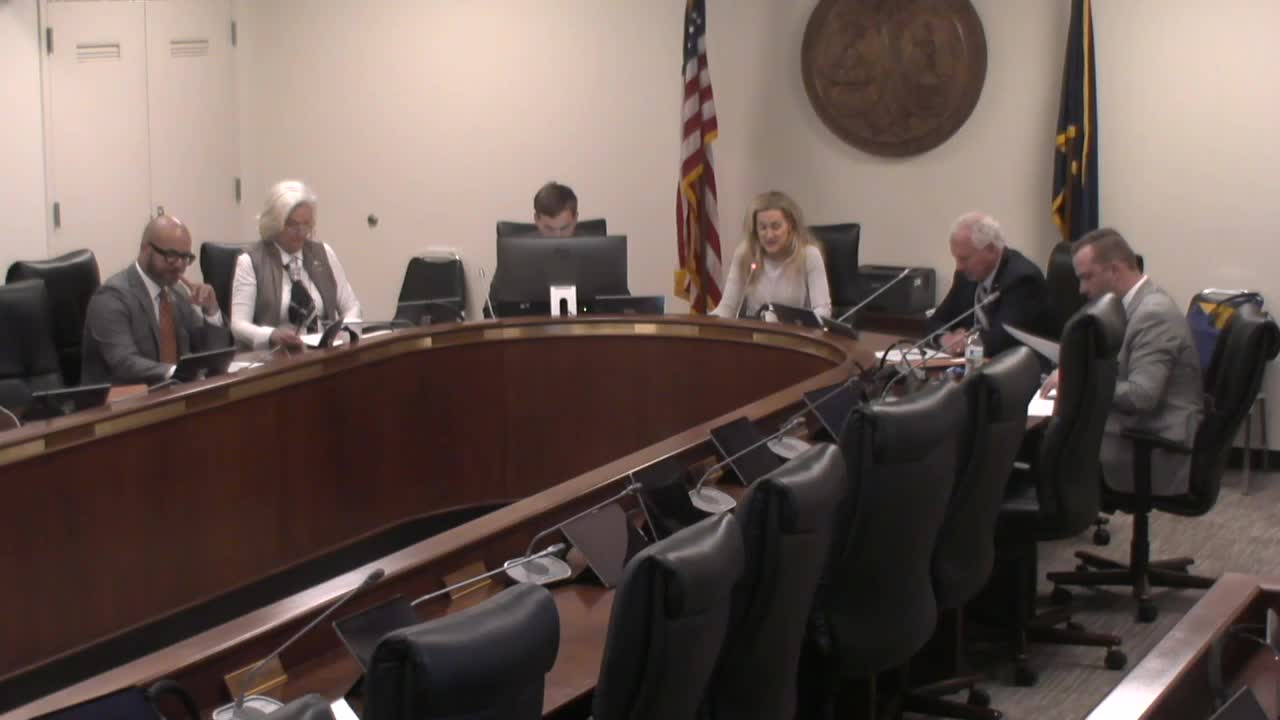
The Domestic Relations Business and Probate Law Subcommittee voted 5-0 to give House Bill 3,622 a favorable report as amended, a measure that would generally require guardian ad litems in private child custody and visitation cases to be licensed attorneys in good standing with the South Carolina Bar.
The Domestic Relations Business and Probate Law Subcommittee voted 5-0 to give House Bill 3,622 a favorable report as amended, a measure that would generally require guardian ad litems in private child custody and visitation cases to be licensed attorneys in good standing with the South Carolina Bar.
The bill would bar routine appointment of lay guardians ad litem when parties are represented by counsel; under the subcommittee amendment adopted on a voice vote, the parties — regardless of representation status — may mutually agree in writing, with court approval, to the appointment of a lay guardian ad litem. The amendment also gives courts discretion to appoint either lay or attorney GALs based on the facts and circumstances of a given case, and preserves the eligibility of individuals already serving as GALs in pending cases.
Why it matters: The bill changes who may be appointed to represent children’s interests in private custody and visitation disputes, moving toward attorney representation in most cases while preserving limited routes for lay participation. Proponents said the change aligns GALs with attorney oversight and disciplinary rules; opponents or commenters raised concerns about access and cost for unrepresented parties.
Discussion: Representative David Martin, a subcommittee member, told colleagues he had discussed the bill with the South Carolina Bar and with local practitioners and that the bar “seems to be in agreement” with the approach. “When I practice family court, I've done hundreds, probably thousands of family law cases throughout the state, and we we have been very blessed in York County to have some really good lay guardians who have 20 years experience. Holly Bennett, Terry Loveless, Terry Hagen,” Martin said, noting that lay guardians “charged a fraction of what attorney guardian items do.” He said his concern was for unrepresented parties who could not afford attorney GALs and that the amendment would allow courts to appoint experienced lay GALs in some circumstances.
The committee’s floor discussion described existing lay GAL qualifications — including age, education, training, court observation and continuing education — and said those qualifications would remain in the statute for cases where lay GALs are permitted. The bill text discussed during the meeting also referenced professional oversight: by subjecting attorney GALs to the South Carolina Bar and the Office of Disciplinary Counsel, the change would place attorney-appointed GALs under existing professional discipline rules.
Votes at the meeting: The subcommittee adopted Amendment 1 to House Bill 3,622 by voice vote and then ordered a roll-call favorable report on the bill as amended. The roll call recorded yes votes from Representatives Bernstein, Paula Calhoun, Representative Guess, Representative John King and Representative David Martin; the tally was 5 in favor, 0 opposed.
What the legislation does not specify at this hearing: The bill and amendment do not set a uniform fee schedule or cap for GAL compensation, nor did the committee set new training or certification requirements beyond the existing statutory qualifications for lay GALs. The measure does preserve existing appointments in pending cases.
Next steps: The subcommittee report as amended will be filed and the bill will proceed through the House process as determined by House rules.