Oregon House approves bill letting employment director waive unemploymentwaiting week during declared severe-weather emergencies
Loading...
Summary
The Oregon House on final passage approved House Bill 2,125 on April 10, 2025, allowing the state's Employment Department director to waive the usual one-week unpaid waiting period for unemployment insurance during governor-declared severe-weather emergencies.
The Oregon House on final passage approved House Bill 2,125 on April 10, 2025, authorizing the director of the Employment Department to waive the state's one-week unpaid waiting period for unemployment insurance when the governor declares a severe-weather emergency.
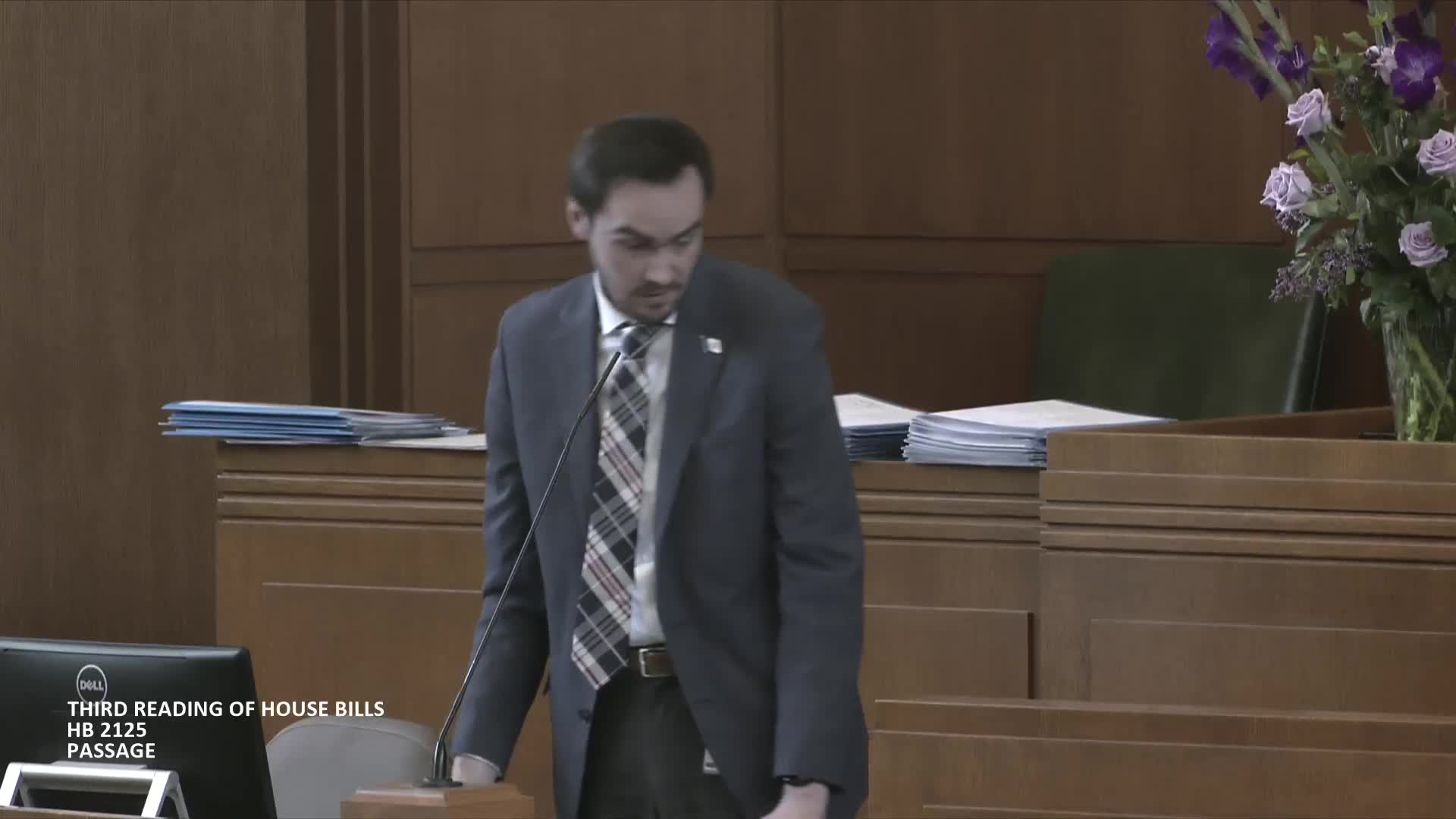
Sponsor Representative Daniel Noss (Representative, House Committee on Labor and Workplace Standards) told colleagues the measure "authorizes the employment department director to waive the unpaid one-week waiting period that our state uses for our unemployment insurance program during severe weather events." He said the waiver can be used only when the governor declares an emergency and is intended to help workers who lose a few days of shifts because of storms or extreme heat.
Why it matters: supporters said the change would put modest, earlier relief into the hands of hourly workers affected by temporary closures and protect small-business employees facing short interruptions of work. Opponents cautioned the bill could raise costs for employers and the unemployment trust fund and warned it sets a precedent for expanding waivers to other situations.
Supporters: Representative Noss said the bill grew from small-business feedback after the 2024 "snowpocalypse," when businesses and workers lost shifts and suffered short-term income loss. "My goal for this bill was to help people who lose a few days of work to be able to get paid something," Noss said on the floor.
Opponents: Representative Elmer (Representative) challenged whether the bill would speed payment, saying the Employment Department told the committee the average time to receive benefits (about 21 days) would remain. "I'm not convinced anything this bill does will get dollars into the hands of Oregonians faster," Elmer said. Representative Bossard Davis and other critics raised employer-side concerns, including the potential effect on employer experience factors used to set unemployment insurance rates.
Trust fund and eligibility: Noss and supporters repeatedly said Oregon's UI trust fund is among the nation's strongest and that employers and self-employed people who pay into the system could be eligible for the waiver if they meet the law's conditions. The bill limits waivers to severe weather emergencies and leaves the decision to the Employment Department director, not an automatic entitlement.
Outcome and next steps: The House voted to pass the bill; the clerk declared House Bill 2,125 passed after the vote. The measure goes to the Senate for consideration.
Ending: Backers characterized the bill as a narrowly tailored, emergency-only tool. Critics asked for more cost and implementation detail; supporters said the bill could be revisited later if a broader approach were warranted.