Get Full Government Meeting Transcripts, Videos, & Alerts Forever!
Get email alerts on the Elections Administration topic
No spam. Unsubscribe anytime.
Council approves multiple polling‑place changes, moving several precincts to city-owned facilities
Summary
After debate about timing, the municipal council approved changes to multiple precinct polling locations, shifting several precincts into city-owned buildings and other accessible sites.
The Taunton Municipal Council approved multiple polling‑place changes on March 25, moving several precincts into city-owned facilities and other accessible buildings after a lengthy discussion about timing and voter notice.
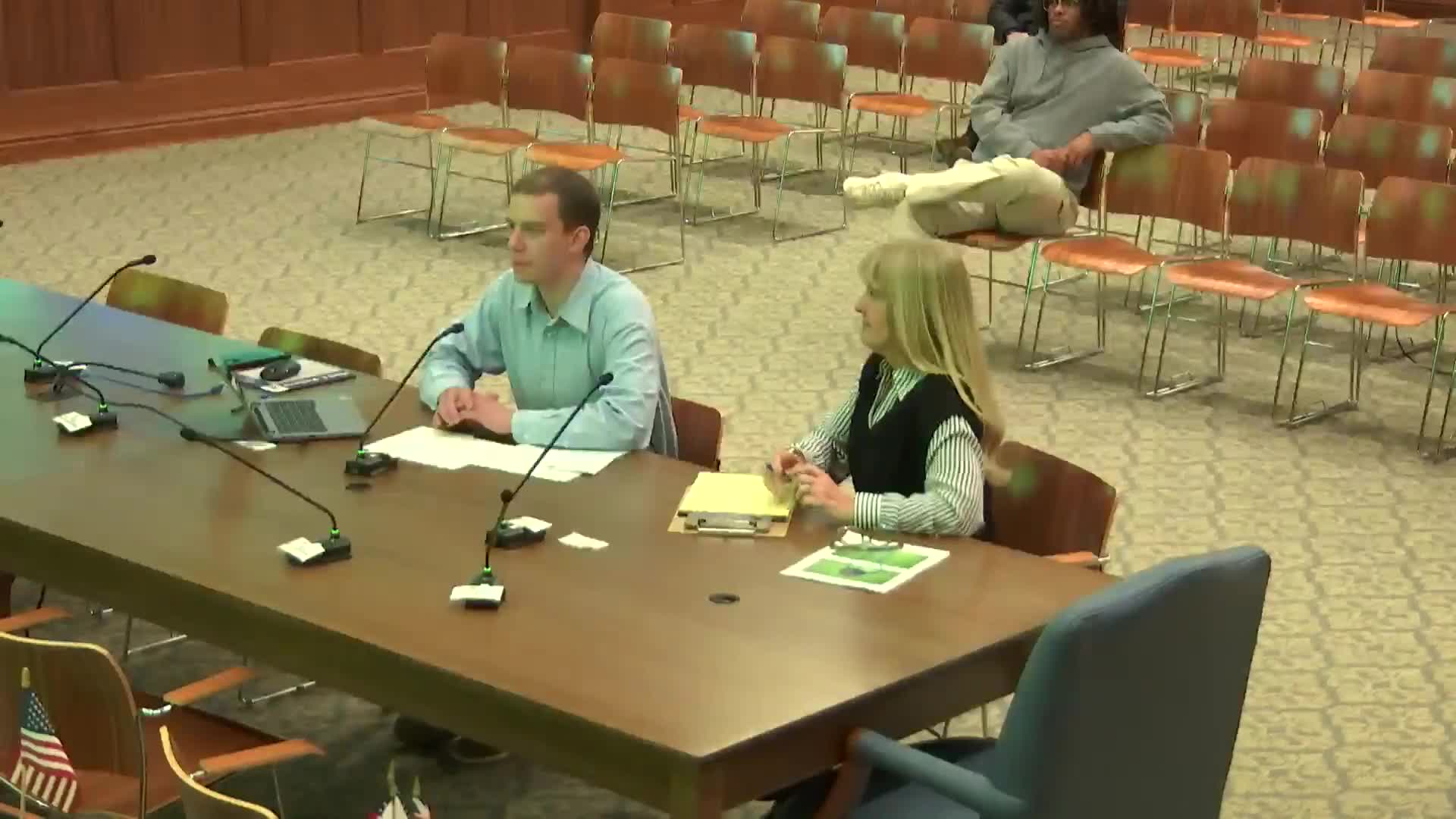
The council approved the Elections Department’s recommendations — put forward by Director Mark Pacheco and Assistant Rosalind Grassi — to relocate the following precincts (selected highlights from the approved list):
- Ward 1, Precinct A (Liberty Christian Center) → former temporary City Hall, 141 Oak Street - Ward 2, Precincts A and B (Saint Andrew the Apostle Church; former City Hall) → Senior Center, 30 Olney Street - Ward 5, Precincts A and B (Hopewell School; Holy Rosary Parish Center) → former Coyle & Cassidy building, 2 Hamilton Street - Ward 6, Precincts A and B (Craig C. Sherman DPW; Leddy School) → Taunton VFW, 82 Ingles Street
Pacheco told the council the proposed locations are ADA compliant, have improved lighting and parking, and will allow consolidated staffing and materials for precincts with historically low turnout. He said the election commission voted to match the administration’s recommendations.
Council debate focused on timing and voter notice. Councilor Sanders urged waiting until after a pending special election so voters have more time to absorb changes; others argued that making the changes now and using the special-election period to reinforce the new locations provides timely notice. After two competing motions, the council approved the Elections Department’s plan as presented by a roll-call vote; the clerk recorded a unanimous “Yes” from councilors present.
Implementation steps Pacheco outlined include postcards mailed to affected voters, advertising through the city website and local media, signage at old polling sites directing voters to their new location, and direct outreach to senior and transit-dependent populations. The department said it will also follow the state-required ADA survey and confirmed the state approved the proposed changes on the required form.
Why it matters: Polling-place locations affect voter access, lines and safety; moving several precincts into city-owned buildings is intended to reduce rental expenses, improve ADA access and supply more consistent facilities for election workers and voters.