Get Full Government Meeting Transcripts, Videos, & Alerts Forever!
Get email alerts on the Roads Maintenance Patching topic
No spam. Unsubscribe anytime.
County approves $15,000 for patching materials, orders four BAM totes for pothole crew
Summary
Meriwether County approved purchase of four BAM totes and authorized up to $15,000 for patching materials (to be funded from T‑SPLOST) to support a new patching crew and reduce delays in pothole repairs.
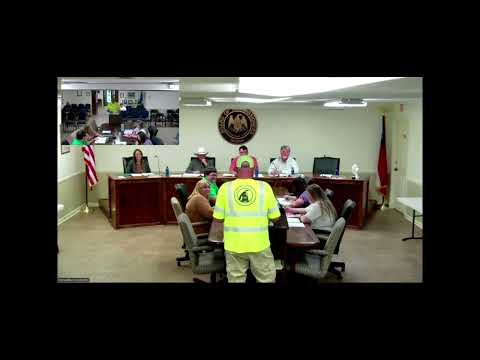
The Meriwether County Board of Commissioners on April 7 approved purchasing four BAM totes for the county patching crew and authorized up to $15,000 for patching materials to be funded from the county’s T‑SPLOST allocation.
Public Works staff told the board the newly operational patcher has increased the pace of pothole repairs and that the previous three totes were consumed quickly. The quote in the meeting packet listed four BAM totes — including freight — at $13,001.05. Staff proposed and the board approved an additional authorization of up to $15,000 for patching material to avoid delays while crews continue to address high call volumes.
Staff described the county’s current patching practice: crews mix liquid tack with gravel from the county stockpile via the patcher machine. Piedmont Paving provided contract patching at approximately $240 per ton for larger repair jobs when county crews are not used. Commissioners and staff discussed operator training, finding an appropriate mix (spread and mixing rates), and ensuring the patcher is calibrated correctly to avoid waste. Staff said an initial $15,000 authorization would cover several weeks of operations at the then‑current usage rate and reduce requests to return to the board for small purchases.
The board also discussed longer‑term options, including buying hot‑mix paving equipment for more durable repairs, but acknowledged current staffing and equipment limitations. The motion approved the purchase of the four totes and authorized the $15,000 materials allocation; staff will return with a proposal on longer‑term equipment and training.