Community debate flares after board declines speaker partnership with York Cultural Alliance artist

Loading...

AI-Generated Content: All content on this page was generated by AI to highlight key points from the meeting. For complete details and context, we recommend watching the full video. so we can fix them.

Summary

Public comments at the Southern York County School District board meeting focused on the denial of "Kai the Chemist" as an artist-in-residence; speakers offered sharply contrasting views over whether the decision was racism or objection to ideology and whether the vetting process was thorough.

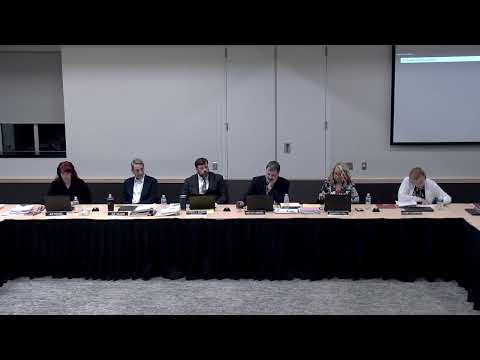
The April 10 Southern York County School District board meeting drew multiple public comments about the district's decision not to approve a proposed artist-in-residence, known publicly as "Kai the Chemist," who had been scheduled at Shrewsbury Elementary through a partnership with the York Cultural Alliance.

Supporters of the denial said the decision reflected concerns about the content and age-appropriateness of material; opponents called the refusal discriminatory. Ashley Morrison, a resident with a science background, defended Kai's approach to science outreach and said the program would have engaged students without replacing standard curriculum. "Kai sharing her story isn't going to discourage kids from pursuing science," Morrison said, adding the program would supplement not supplant classroom instruction.

Other speakers, including Jason Decker, argued the board did not exclude the artist because of race but because of the ideologies represented in the proposed classroom material. "People are equal. Ideas are not," Decker said, framing the decision as one to reject what he described as "critical race theory"-style pedagogy rather than to act out of racial animus.

A different set of public remarks supported the board member who declined the program, saying that school staff or principals did not sufficiently investigate the presenter's material before programs and contracts were signed. One commenter stated that survey questions designed for fifth graders—about contemporary popular music artists—raised additional concerns about appropriateness.

Board members and administrators acknowledged the controversy and noted that the vetting paperwork and the Cultural Alliance relationship would be reviewed. Several speakers urged the board to restore its relationship with the Cultural Alliance; others argued the vetting process had not been followed and defended the member who refused to sign.

The board did not reverse its earlier decision at the meeting; administration and the Cultural Alliance were urged by speakers and some board members to pursue dialogue to preserve future community arts opportunities.