Citizen Portal

Lawmakers and former FBI agent warn of rise in ‘pig butchering’ scams, call for more resources to help seniors

2960077 · April 9, 2025

Get AI-powered insights, summaries, and transcripts

Subscribe
AI-Generated Content: All content on this page was generated by AI to highlight key points from the meeting. For complete details and context, we recommend watching the full video. so we can fix them.

Summary

Witnesses described ‘pig butchering’ romance-investment scams, scam compounds in Southeast Asia, and human trafficking linked to transnational fraud rings. Lawmakers sought more local–federal coordination, technology partnerships and expanded elder-justice task forces.

Lawmakers and former federal investigators told a joint Senate–House hearing on Oct. 12 that organized criminal networks — some operating in Southeast Asia and tied to actors in China — are running sophisticated "pig butchering" scams that have cost older Americans billions and routinely cross international borders.

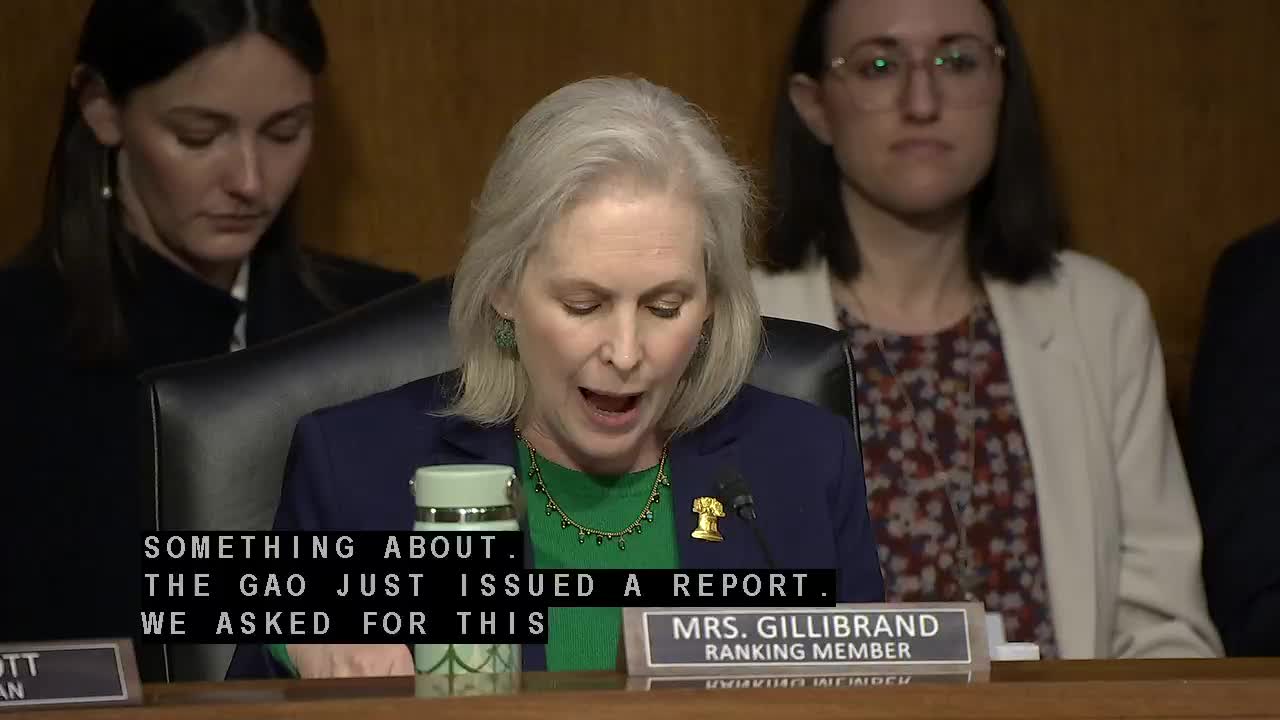
The hearing focused on how scammers gain victims’ trust with romance or investment ruses, then push them into fake platforms and apps that drain savings. "They are looking at our seniors like animals that they are fattening for slaughter," Senator Kirsten Gillibrand said, describing the method she and colleagues called "pig butchering."

Why it matters: Witnesses said the scope of elder fraud has reached epidemic proportions and that domestic law enforcement lacks the resources to investigate most leads. They urged expanded elder-justice task forces, stronger public–private partnerships for rapid data sharing, and international cooperation to disrupt scam compounds and associated human trafficking.

Most important facts - Brady Finta, founder of the National Elder Fraud Coordination Center and a retired FBI agent, testified that his office and local partners could investigate only a small share of leads and estimated that only about 10–15% of elder-fraud victims report crimes. - Iacovella and others cited external analyses: the FBI reported losses to people 60 and older totaling about $3.4 billion in 2023; the U.S. Institute of Peace estimated cyber scamming operations in Southeast Asia generate roughly $44 billion annually (as cited in testimony); FTC and other figures cited in testimony estimated hundreds of billions in broader fraud losses globally. - Committee members displayed a short video of a scam persona called "Daisy," shown by Representative Raja Krishnamoorthi to demonstrate how scammers use stolen images, live filters and AI to engender trust and pressure victims toward fraudulent investments.

Supporting details and context Witnesses described international scam "compounds" — coordinated operations in which trafficked or coerced people may be forced to create fake profiles or run fraudulent communications — and said criminal groups sometimes resell stolen social-media photos and operate using messaging apps and commercial internet access. Lawmakers noted published reporting that some compounds accessed satellite internet services to connect to the web, and witnesses said companies providing connectivity should be partners in identifying abuse.

Recommended responses included creating or scaling Elder Justice Task Forces in more U.S. jurisdictions, deputizing local law enforcement to support federal investigations, and establishing data-sharing arrangements with banks, telecoms and tech platforms to trace funds quickly. Finta recommended public–private coordination that aggregates signals to prioritize cases with high recovery potential.

Quotes "I believe the scale of fraud against America's elders has grown to epidemic proportions," Brady Finta said. "We only are able to address less than 1% of the leads."

"They know that they are worth trillions of dollars," Senator Gillibrand said of criminal networks targeting seniors.

What the hearing did not decide No new federal funding or policy was approved at the hearing. Lawmakers called for follow-up work, including proposals to harden reporting systems, expand elder-justice task forces and increase real-time data sharing with the private sector.

Ending Members urged bipartisan, interagency and international action to disrupt transnational fraud networks and to increase support for local investigators and victim recovery services. The witness testimony underscored a consensus that prevention, tech-enabled detection and cross-border law enforcement cooperation are needed to reduce the scale of elder fraud.