Get Full Government Meeting Transcripts, Videos, & Alerts Forever!
Get email alerts on the Municipal Finance Audit topic
No spam. Unsubscribe anytime.
State auditor gives Lincoln City clean opinions for 2022–23, issues six recommendations
Summary
The North Dakota State Auditor issued unmodified (clean) financial-statement opinions for Lincoln City for fiscal years 2022 and 2023 and identified six areas for improvement, including utility-fund transfers, debt-covenant compliance and fraud-risk assessment.
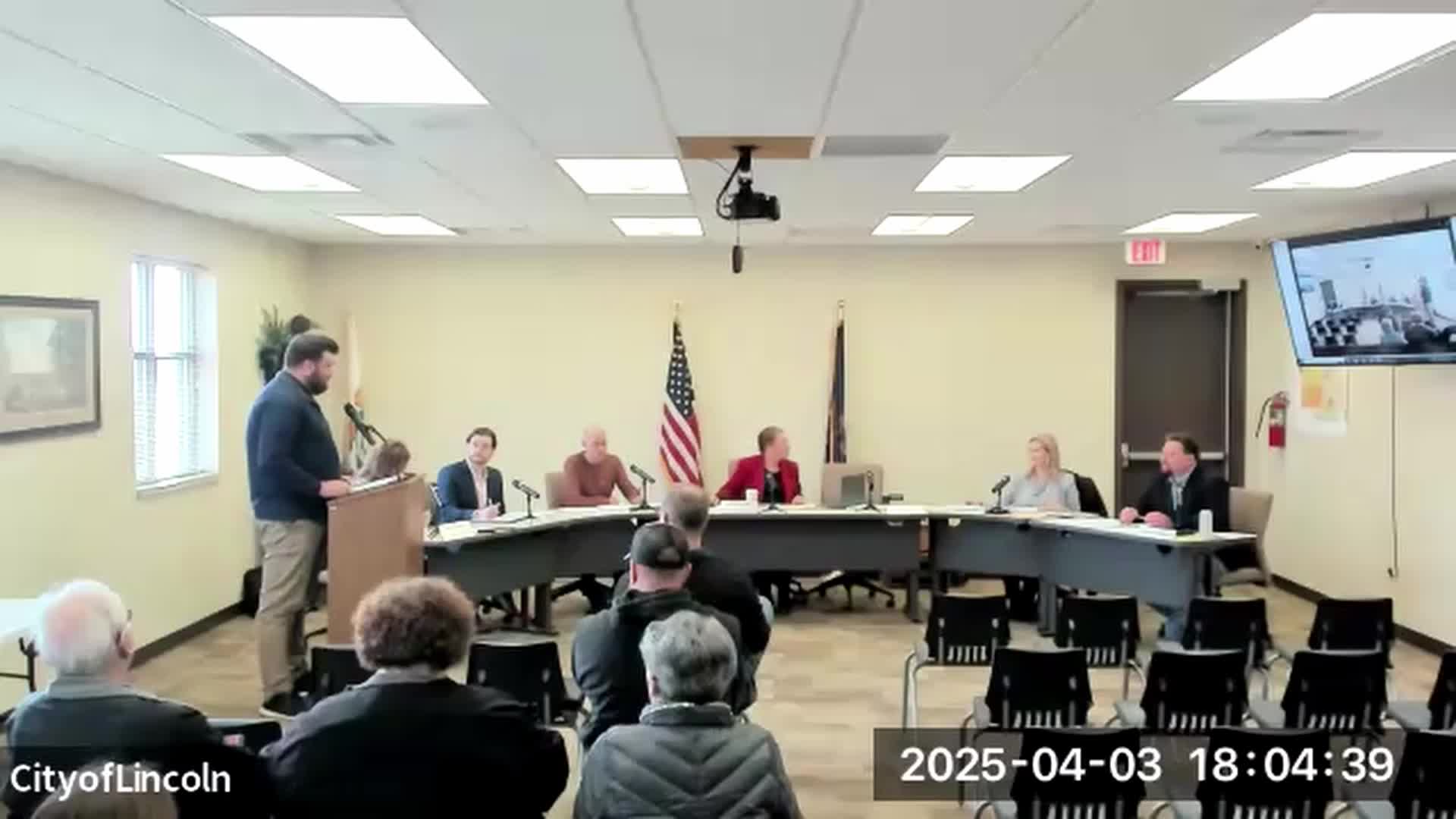
Mike Cher, audit manager with the State Auditor's local government division, told the Lincoln City Council on April 3 that the office issued unmodified (clean) financial-statement opinions for the city for fiscal years 2022 and 2023.
The report included six recommendations intended to improve controls and financial reporting. Cher described the recommendations as areas for management attention, not findings of fraud or malfeasance: (1) limit transfers from utility funds so they do not exceed the statutory cap; (2) establish separate debt-service and construction funds required by the water revenue bond series 2023 covenants; (3) tighten bond-reimbursement documentation and accounting; (4) prepare a formal fraud-risk assessment; (5) expand conflict-of-interest disclosures for staff handling contracts/vendors; and (6) correct improper journal entries created when accounts were consolidated.
Why it matters: an unmodified opinion signals that the independent audit supports the city’s financial statements. The recommendations, if implemented, should reduce the need for audit adjustments and help the city meet requirements tied to debt covenants and grant reimbursements.
Key points from the presentation and council questions: - Utility transfers: Cher said the city transferred about $250,000 in excess of the statutory allowance for transfers from utility funds; the excess related to prior-year timing and a deficit in the highway distribution fund due to costs tied to a public works building project. Cher recommended managing transfers to stay under the Century Code threshold going forward and said the issue is primarily a timing/recording matter. - Debt covenant compliance: The water revenue bond series 2023 required separate debt-service and construction funds. Audit work showed construction expenses and bond proceeds were recorded in the water fund instead of the separate construction fund; no principal or interest payment failures were reported for 2023. The auditors recommended establishing the contractually required funds and reviewing covenants for future debt issuances. - Journal entries and account consolidation: When the city combined accounts into a single checking and CD, many banking transfers were recorded to revenue/expense accounts instead of as transfers; audit adjustments reclassified those items without changing total fund balances. - Fraud risk and conflict disclosures: Cher said no fraud was identified; the recommendation is to complete a formal fraud-risk assessment and consider broader disclosures of outside employment and family relationships among staff who manage contracts.
Council members asked clarifying questions about whether audit adjustments changed bottom-line balances (Cher said fund balances did not change) and about the statutory transfer limit (Cher cited the Century Code limit of 20% of gross receipts and referenced Century Code 40-33-12). Cher offered templates and follow-up with city management to help implement recommendations.
The auditors closed by stressing the recommendations are tools to improve operations and offered to share templates for fraud-risk assessments and other items.
Ending: Council did not take formal action on the audit presentation itself; the auditors opened the floor for questions and council thanked them for the review.