Get Full Government Meeting Transcripts, Videos, & Alerts Forever!
Get email alerts on the Gas Franchise Process topic
No spam. Unsubscribe anytime.
Ann Arbor gas-franchise deal draws criticism over process; council readings pending
Summary
A resident and commissioners criticized how the recently negotiated DTE gas franchise agreement reached City Council, saying commissions and the public lacked timely notice. City council held a first reading; staff reported a second reading date on the council calendar.
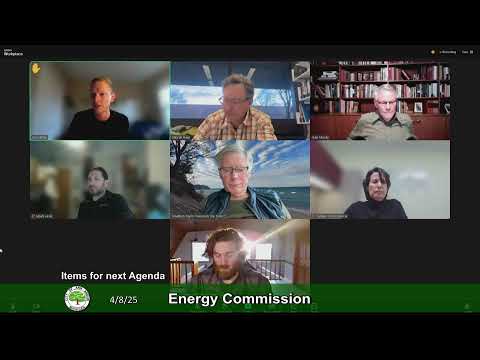
A DTE gas franchise agreement that reached Ann Arbor City Council drew public criticism for limited advance public notice, and commissioners at an Energy Commission working session asked for clearer communication when contract negotiations affect the city’s long-term fossil‑fuel policy.
Why it matters: Franchise agreements set terms for utility operations and can affect the pace of local decarbonization efforts. Commissioners and residents said commission review or earlier public notice would allow meaningful technical input and transparency.
Resident Ken Garber, speaking in public comment, said he was alerted to a franchise agreement that had been posted on the council agenda five days before its first reading and called for earlier notification: “The franchise terms are incredibly consequential in terms of reducing fossil gas here,” Garber said, adding that the current franchise does not expire until 2027 and that the public and commissions should be informed before a council vote.
At the working session, a council member (identified in the meeting as Council member Alec) and staff explained the typical city practice: negotiated contracts generally do not go to commissions during active negotiations, and commissions often influence policy earlier in the process rather than participate in contract negotiations. A City commissioner noted the Energy Commission had earlier shaped council direction on gas‑related policy, which staff said was the origin of council’s negotiating position.
City staff and a commissioner reported the franchise agreement had a first reading at council the previous night and that a second reading was scheduled for April 21. At the Energy Commission meeting staff and commissioners said the council’s practice and charter relationship determine whether specific commissions must review contract terms during negotiations, and they urged better advance notice to affected commissions and the public when franchise agreements may have long-term climate implications.
Ending: Commissioners asked staff to seek clearer notice and opportunities for technical review when future franchise or major contract negotiations have direct implications for local decarbonization goals. The working session did not include a formal action or vote on the franchise agreement.