Get Full Government Meeting Transcripts, Videos, & Alerts Forever!
Get email alerts on the Criminal Sentencing topic
No spam. Unsubscribe anytime.
Judge Boyd sentences Richard Nelson Baker to concurrent 6-year terms, orders $3,500 restitution and no-contact restrictions
Summary
In separate 2024 felony cases, a judge found Richard Nelson Baker guilty of aggravated assault with a deadly weapon and assault family violence, imposed concurrent six-year prison terms, ordered $3,500 restitution to a victim and barred contact with multiple family members.
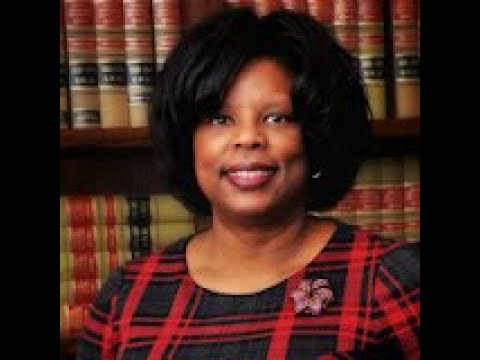
SAN ANTONIO — Judge Stephanie Boyd of the 187th District Court on Wednesday found Richard Nelson Baker guilty in two 2024 felony cases and sentenced him to concurrent six-year prison terms, imposed restitution and limited his post-conviction rights.
Baker was convicted after entering no-contest pleas to aggravated assault with a deadly weapon in cause number 2024CR012590 and to assault-family-violence with a prior conviction in cause number 2024CR012469. Judge Boyd pronounced concurrent six-year sentences in each case, an affirmative finding that a deadly weapon was used in the aggravated-assault case, and an affirmative finding of family violence in the family-violence case. The court ordered $3,500 in restitution to victim Lakal Callaway and assessed a $1,500 fine in the family-violence matter.
The judge also ordered Baker to participate in a therapeutic community program recommended by the court, gave credit for time served, and entered no-contact orders barring Baker from contacting Lakal Callaway, Patrick Baker, Jerry Baker and his mother. Judge Boyd further explained that, because of the family-violence finding and the felony convictions, Baker is prohibited from owning or possessing weapons or ammunition.
Why this matters: The sentence resolves two related 2024 felony matters that the court handled together. The restitution order addresses property damage and personal loss claimed by a victim, while the no-contact and weapons prohibitions reflect statutory and court-ordered protections commonly used after family-violence findings.
Court proceedings and allocution
At the hearing, Baker — who acknowledged military service and described ongoing treatment for service-related post-traumatic stress disorder — addressed the court during allocution and described struggles with hypervigilance, medication access and participation in Veterans Administration care. Defense counsel asked the court to grant community supervision or deferred adjudication, and Baker stated he sought treatment, anger-management services and “help” rather than extended incarceration.
Judge Boyd reviewed a presentence investigation report and a TAP evaluation, told Baker the limits and risks of deferred adjudication, and explained conditions of probation and the consequences of violating deferred adjudication. The judge told Baker, “I understand mental health, but you can't use your mental health as excuses to be violent towards people,” and said she would order residential therapeutic programming as part of the sentence.
Victim testimony and restitution
At a restitution hearing, Lakal Callaway, who works as a rideshare driver, described damage to his vehicle inflicted during the incident and testified about repair costs, lost employment and related expenses. Callaway provided an estimate of roughly $3,500 in direct repair costs for the vehicle's rear and windshield damage and said he had incurred rental and other out-of-pocket expenses.
Judge Boyd told Callaway the court could order restitution for the vehicle repairs but not for broader economic losses such as lost wages or tuition costs, which she said are civil matters. The court ordered $3,500 in restitution payable to Callaway and stated restitution in cause number 2024CR012590 would take precedence over fines and fees to prioritize victim compensation once payments are made.
Victim impact statements were delivered in court. Raquel Chavali described ongoing anxiety, medical diagnoses and interrupted nursing education following the shooting; John L. Callaway Jr., identified himself as the victim’s father and asked the court for a heavier sentence and larger restitution. Each speaker addressed the court during the victim-impact portion of the hearing.
Rights and post-sentencing matters
Judge Boyd confirmed Baker had reviewed the trial-court certification and the defendant’s rights to appeal and informed him that, because these convictions followed plea agreements that included a waiver of appeal, he did not have the court’s permission to appeal. The court reiterated the weapons prohibition tied to the family-violence affirmative finding and instructed Baker to consult counsel if he had questions about the scope of that prohibition.
The court also ordered that any monies Baker pays after release or discharge should be applied to restitution first, and the judge declined defense requests to zero out fines but prioritized restitution over fees in enforcement.
Closing remarks
Before adjourning, Judge Boyd offered Baker a path to treatment after release, saying she would assist with placement if he sought help while she remained on the bench.