Get Full Government Meeting Transcripts, Videos, & Alerts Forever!
Get email alerts on the Municipal Liability School Safety topic
No spam. Unsubscribe anytime.
Appeals court examines municipal immunity after school shooting in Dorsey v. City of Boston
Summary
The Appeals Court on April 10 heard arguments in Dorsey v. City of Boston over whether statutory governmental immunities shield the city from a suit by a student shot outside Jeremiah E. Burke High School, focusing on allegations the school’s metal detectors were inoperative or unmanned at a critical time.
The Massachusetts Appeals Court on April 10 heard argument in Dorsey v. City of Boston over whether the city is immune from suit under the statutory exceptions in G.L. c. 258, §§10(b) and 10(j) after a student, Marquis (spelled in filings), was shot near the Jeremiah E. Burke High School.
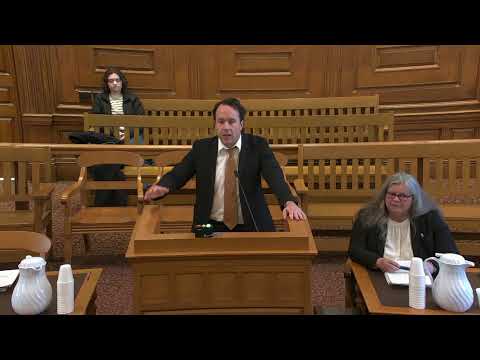
Matthew Fogelman, representing the Dorsey family, argued the city took affirmative steps (installing metal detectors but then disabling or failing to staff them at a specific time) that materially contributed to the harm and therefore fall outside the immunity bars. Fogelman emphasized an allegation — in the complaint and counsel’s investigation — that metal detectors ceased to be used after about 8:30 a.m., leaving a window when the assailant brought a weapon into the building.
Mauricio Vaca, representing the City of Boston, argued the claims fit within classic discretionary, resource-allocation decisions and prior SJC guidance cautioning courts against converting policy-allocation disputes into tort liability. Vaca and the city urged dismissal under the statutory immunities, saying the complaint’s allegations are conclusory and lack the detailed factual pleading required to overcome immunity at the motion-to-dismiss stage.
The panel questioned both sides about what discovery could show — whether the school had on-duty guards, how the detectors were staffed, whether the detectors were deliberately turned off or simply not manned after peak arrival periods — and whether those facts, if proved, would constitute an affirmative act under 10(j) or an implementation-level policy choice insulated under 10(b). Counsel on both sides cited Wheel er, Brum, Lawrence, Shapiro and other precedents; justices focused on whether the complaint pleads factual predicates that warrant discovery rather than dismissal.
The court took the matter under submission after argument. No ruling was announced at the hearing; the parties disputed whether immediate dismissal is appropriate or whether limited discovery should proceed to develop the factual record.