Get Full Government Meeting Transcripts, Videos, & Alerts Forever!
Get email alerts on the Appellate Procedure Probate topic
No spam. Unsubscribe anytime.
Appeals court examines whether attorney‑fee motion nullified initial appeal in probate challenge to will
Summary
Panel wrestled with procedural question in a probate will‑contest: did a post‑judgment application for attorneys’ fees treated as a Rule 59 motion render the appellant’s earlier notice of appeal a nullity, requiring a new notice?
The Appeals Court on April 10 heard argument in an appeal emerging from a contested probate matter — the estate of Robert William Hallard — over whether a post‑judgment request for attorneys’ fees that a trial judge treated as a Rule 59 motion had the effect of nullifying an earlier notice of appeal.
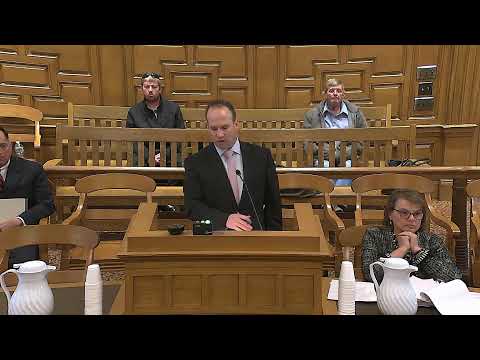
Appellant counsel Andrea Kramer argued the probate court erred in treating the will‑proponents’ fee application as a Rule 59 motion that triggered Rule 4(c)’s requirement that a new notice of appeal be filed after the ruling on a post‑judgment motion. Kramer said controlling precedent limits when a trial court may render an initial notice a nullity and urged the panel that well‑established SJC decisions have permitted appellate review despite post‑judgment fees practice in probate courts.
Appellees’ counsel responded that the practice of calling fee applications a motion to amend or file a rule‑59(e) procedural posture is common in probate practice, that trial judges retain broad discretion under the governing statutes (including Chapter 215 and statutory authority for fee awards), and that Rule 4(c) language requires re‑filing of a notice after an intervening motion to alter or amend. Counsel also urged deference to the trial judge’s procedural choices and argued dismissal was within the court’s authority where the notice of appeal had not been renewed.
The panel questioned whether the rule’s “no effect” language compels dismissal in every such instance, and counsel and justices discussed appellate practice where courts have accepted appeals notwithstanding gaps created by post‑judgment motions. The court ordered supplemental briefing on jurisdictional and Rule 4 interplay issues before issuing a decision.