Citizen Portal

Senate Energy Committee Holds Nomination Hearings for Two Department of Energy Undersecretaries

2956454 ยท April 11, 2025

Get AI-powered insights, summaries, and transcripts

Subscribe
AI-Generated Content: All content on this page was generated by AI to highlight key points from the meeting. For complete details and context, we recommend watching the full video. so we can fix them.

Summary

The Senate Energy and Natural Resources Committee heard testimony April 17 on the nominations of Preston Wells Griffith III for Undersecretary of Energy and Dr. Dario Gill for Undersecretary for Science; senators questioned nominees on workforce cuts, program funding and DOE priorities but took no vote.

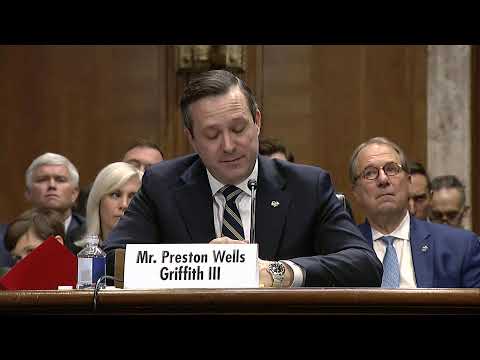
The Senate Committee on Energy and Natural Resources on April 17 held a nomination hearing for two Department of Energy undersecretary candidates, Preston Wells Griffith III, nominated to be Undersecretary of Energy, and Dr. Dario Gill, nominated to be Undersecretary for Science. Chairman Mike Lee opened the fourth nomination hearing of the 119th Congress and said one previously scheduled nominee, Kathleen Segama, had been withdrawn from consideration earlier that morning.

The hearing focused on nominees' qualifications and how they would manage principal DOE responsibilities if confirmed: Griffith would oversee applied energy programs and infrastructure-related portfolios; Gill would lead DOE's science portfolio, including the department's 17 national laboratories. "America must lead, not follow in this next era of energy transformation," Griffith said in his opening remarks, and Dr. Gill emphasized the laboratories' role in harnessing AI, quantum computing and fusion research for national advantage.

Why it matters: The two positions shape DOE decisions that affect the electric grid, national laboratories, federally funded research and the deployment of technologies that could influence U.S. competitiveness in AI, quantum and energy supply. Senators pressed both nominees on how they would balance priorities amid reported workforce reductions, paused grants and contractual uncertainties inside DOE.

Committee questions covered several recurring themes. Members sought commitments that nominees would appear before Congress if confirmed, that they had no conflicts of interest and that they would follow federal law on appropriations. Both nominees affirmed those commitments under oath. Griffith, asked about past noncompliance with a House subpoena during a prior administration, said legal counsel and the Department of Justice Office of Legal Counsel had instructed him not to appear then; he reiterated that he is "committed to following the law, showing up before this committee without subpoena voluntarily and working with you and the members of this committee," if confirmed.

Members probed how each nominee would respond to specific program and operational concerns. Senators repeatedly asked Griffith about DOE workforce reductions, freezes on grant and loan programs and whether funds already obligated under the Bipartisan Infrastructure Law would be implemented. Griffith answered that, if confirmed, he would prioritize "understanding the different projects and the details" and is "fully committed first and foremost to following the law." He told senators he would use DOE resources to "deliver on the president's priorities, winning the AI arms race, lowering energy costs for Americans, advancing U.S. leadership and innovation and ensuring Americans have access to affordable, reliable and secure energy."

Senators also questioned Dr. Gill about the risk of foreign espionage at the national laboratories. Gill said he had been "aware and, unfortunately, been not only sensitized, but have to deal with consequences of, you know, dealing with, theft from China" during his private-sector career and that he is "very much committed to working with you and all the members of the committee to implement ways and improvements with which we can protect our most sensitive technology."

Other topics raised at the hearing included DOE's role in expanding electricity supply to meet anticipated growth in demand from artificial intelligence data centers, the importance of storage and grid-enhancing technologies, support for geothermal, tribal energy programs and Indian energy financing, and the role of power marketing administrations such as the Bonneville Power Administration. Several senators urged that programs and already-obligated awards from the Bipartisan Infrastructure Law be implemented as Congress intended.

No committee votes were held during the hearing. Chairman Lee closed by saying any additional questions would be submitted in writing and that the hearing record would remain open for statements until 6 p.m. on Thursday, April 17.