Get Full Government Meeting Transcripts, Videos, & Alerts Forever!
Get email alerts on the City Budget topic
No spam. Unsubscribe anytime.
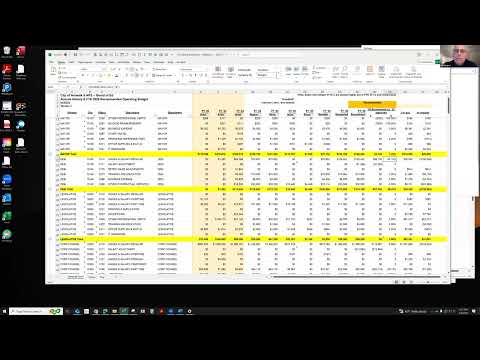
Norwalk budget review: mayor to fill DEI post despite state legal challenge; city departments outline costs
Summary
Norwalk Mayor Rilling said the city intends to fill its vacant Diversity, Equity and Inclusion position while department heads presented proposed fiscal year 2026 budgets to the Board of Estimate and Taxation during a March 4 informational meeting.
Norwalk Mayor Rilling said the city intends to fill its vacant Diversity, Equity and Inclusion position while department heads presented proposed fiscal year 2026 budgets to the Board of Estimate and Taxation during a March 4 informational meeting.
The meeting, held as part of the board’s multi-night budget review, included line-item walkthroughs from finance staff and presentations by corporation counsel, registrar of voters, fire and police department leaders, and human resources. No formal votes were taken; the session was designated informational and public comment was not permitted.
The DEI position drew direct attention when Tom Livingston, staff leading the budget review, and Mayor Rilling discussed whether the role would be filled amid a pending legal challenge. Mayor Rilling said, “It is my intention to fill the spot. We're proceeding very carefully.” He added of the state action, “I don't like being bullied. And this is a bully tactic,” and said the city will move forward despite uncertainty about the outcome of litigation referenced by the mayor as involving the state attorney general.
Why this matters: the mayor’s decision sets the administration’s personnel direction while a state-level legal dispute is unresolved. Filling the post would affect the mayor’s departmental salary and benefit lines and signals the administration’s approach to DEI work as departments finalize their FY26 requests.
Key budget takeaways
- Overall guidance and salary adjustments: Tom Livingston explained the budget workbook structure and reminded the board that departments were asked to keep increases modest; the review repeatedly flagged that year-to-year comparisons are distorted by last year's half‑year hiring freeze. Finance staff told members a 1% salary adjustment was applied as a cost-control measure across departments.
- Mayor’s office: The mayor’s departmental total rose about 1.45% year over year, driven primarily by step salary increases and a small number of supply items. Finance staff noted the 3‑year-average comparatives and that some apparent large percentage increases reflect a full‑year versus half‑year salary comparison.
- Corporation counsel: Jeff Spar, corporation counsel, said the office requested higher funding for outside professional services to support tax appeals and related litigation, telling the board, “we have well over 100 tax appeals right now and And we're gonna be getting more, and we're gonna be going into the litigation part.” The office also included a larger Westlaw subscription line; Spar said the renewal paperwork suggested a higher top‑end charge though he expected actual costs to come in lower, and noted a recent change from a salary model to a retainer agreement approved by the Common Council.
- Registrar of Voters: Registrar staff, including Diana Palladino, described continuing elevated election costs tied to expanded early voting, envelope and sticker costs, new tabulators provided by the state (with increased maintenance), and staff training. Palladino said the city hopes the legislature will permit tabulator use that would reduce envelope handling costs but acknowledged uncertainty. The registrar asked whether more detailed line items for recurring technology costs (for example, poll‑worker software under $5,000) could be added; finance staff said recurring items can be added to improve transparency.
- Fire department: Fire Department leadership reported a 1.91% increase overall after absorbing an IT software transfer and a salary reduction. The department said it currently has 11 vacancies in suppression and plans to hire four more this fiscal year, noting Connecticut Fire Academy schedules and retirements as drivers. The chief said the department consolidated multiple repair and operating supply lines into single accounts to simplify station maintenance budgeting.
- Police department: Police leadership presented a 2.52% year‑over‑year increase after finance adjustments. The chief described new technology costs and revenue items: a new integrated 911 system that translates up to 36 languages into text for dispatchers; ongoing costs for officer wellness checks (a state mandate); higher ammunition costs for training; and expanded use of license‑plate‑reading cameras (Flock) placed in areas with high stolen‑car activity. The department also reported increased intergovernmental revenue from grants (including JAG and DUI/project safe neighborhoods grants) and from “extra work” contracts (private vendor‑funded detail work) that produce a city fee. Police staff told the board that extra work and internal overtime streams are distinct: extra work is paid by outside entities and generates a city fee, whereas internal overtime covers minimum staffing and case‑related overtime.
- Human Resources and personnel: HR presented a 1.6% overall increase; staff noted fewer large initiatives this year but continued payments for previously approved NEOGOV modules for onboarding and learning management and said a vacant retirement/benefits specialist position is in screening.
Board process and next steps
Finance staff reminded members that these sessions are working meetings to understand department requests; public hearings and comment will occur later in the month. The board will continue department reviews on subsequent nights (economic and community development; community services including library, public works, recreation and parks). Several members asked staff to return with clarifications on specific non‑tax revenue lines, pending litigation exposure, and internal service fund balances for insurance liabilities.
Ending note: meeting participants emphasized that many increases reflect contractually mandated salary steps, one‑time technology or training costs, or technical budget shifts (for example, moving certain building maintenance charges into departments). No formal budget decisions were made at this session; the board adjourned after scheduling remaining reviews.