Get Full Government Meeting Transcripts, Videos, & Alerts Forever!
Get email alerts on the Police Governance topic
No spam. Unsubscribe anytime.
Proposal to split police commission appointments is rejected by commission
Summary
Commissioners considered and rejected a proposed change to the police commission that would shift two of the four appointed seats to Common Council appointment; the proposal failed on a roll-call vote.
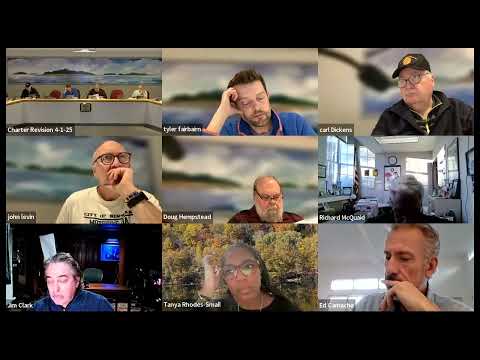
The Charter Revision Commission on April 1 debated a proposed change to the composition of the police commission and ultimately rejected it. Commissioner John Levin proposed amending Section 7‑2 to change the current structure — under which four electors are appointed by the mayor (subject to council approval) and the mayor serves ex officio as chair — by having two mayoral appointees and two council appointees plus the mayor as ex officio chair.
Nut graf: Levin said the proposal aimed to increase oversight and reduce perceived dysfunction in the commission's management of police oversight responsibilities; opponents questioned whether the charter change addressed the underlying problems and expressed concern about singling out the police commission.
Discussion and vote
Supporters said the change would dilute mayoral control and increase accountability. Levin also proposed a sentence permitting the mayor to recuse himself from voting or serving as chair "if there exists a conflict of interest or for any other reason." Opponents said the mayor’s prior service as chief of police does not amount to a legal conflict of interest and cautioned the motion risked being perceived as a personal critique of the current mayor. After debate the commission voted by roll call and the motion failed: the recorded result showed several no votes and a single yes vote by Levin.
Next steps
Commissioners asked for factual examples and documentation of the commission's claimed lapses. Several members urged that if changes are considered they should be discussed together with broader governance or oversight reforms rather than enacted piecemeal.