Citizen Portal
Sign In

Union leaders, Democrats warn ending collective bargaining could hurt VA claims processing

2955533 · April 9, 2025

Loading...

AI-Generated Content: All content on this page was generated by AI to highlight key points from the meeting. For complete details and context, we recommend watching the full video. so we can fix them.

Summary

AFGE Local 2823 and the subcommittee's ranking member warned that the administration's move to end collective bargaining protections for some VA employees could damage morale, reduce training feedback loops and ultimately slow veterans' claims processing.

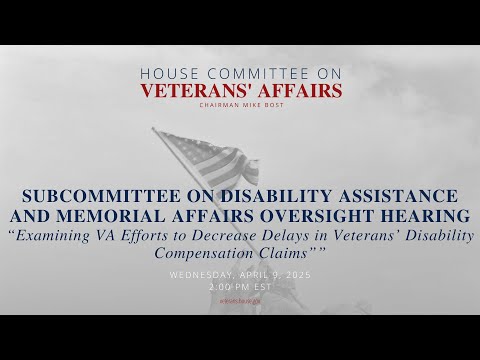
At a House Veterans' Affairs Subcommittee hearing, union representatives and the ranking member warned that the administration's decision to end or limit collective bargaining protections for federal employees could harm morale among Veterans Benefits Administration staff and reduce the feedback they provide on training and operations.

James Swartz, president of AFGE Local 2823, told the committee that unions help surface frontline training needs and support supervisory coordination that improves day-to-day claims processing. “Most of us are workers ourselves. We are aware of what's going on. We do the work,” Swartz said, arguing that bargaining-unit participation in training design and content helps employees perform better on behalf of veterans.

Ranking Member McGarvey said the committee’s focus is serving veterans and noted that public-sector unions “help employees feel more invested in their work” and contribute to better retention and lower wait times for benefits. “I'm hopeful today that the secretary will listen to this committee and request an exemption from [the executive order],” McGarvey said, urging an administrative solution.

Swartz and committee members clarified that AFGE-represented employees cannot legally bargain over wages or promotions, and that strikes are not permitted. Swartz said union participation is especially important to preserve institutional knowledge as longer-serving employees retire and newer staff enter the workforce.

AFGE requested that the VA secretary invoke available authority to exempt VA bargaining units from the executive order's restrictions, and the union said it stands ready to work with the committee to improve training and operations. The committee agreed to enter into the hearing record several letters urging the secretary to seek exemptions; no formal committee vote or policy change was taken at the hearing.

The witnesses and members emphasized that their shared objective is timely, accurate decisions for veterans, and they framed the union role as part of that mission: raising training needs, helping ensure legal and orderly personnel actions and improving morale, which they said supports service quality for veterans.