Get Full Government Meeting Transcripts, Videos, & Alerts Forever!
Get email alerts on the Transportation Infrastructure topic
No spam. Unsubscribe anytime.
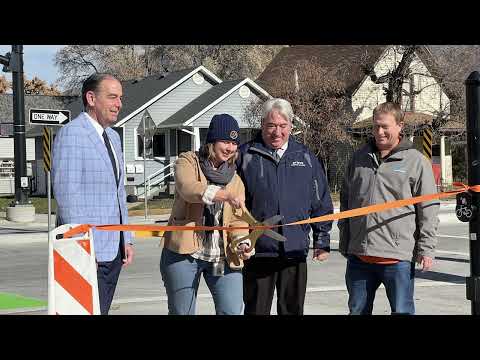
Provo and UDOT complete reconstruction of 300 South with new sidewalks, bike lanes and upgraded utilities
Summary
A project originally scoped as repaving on 300 South in Provo expanded into a full reconstruction with concrete pavement, upgraded sewer and water lines, storm drainage, sidewalks, crosswalks, on‑street bike lanes and traffic calming features, officials said; project finished ahead of schedule.
Provo City and the Utah Department of Transportation completed a reconstruction of 300 South that replaced aging asphalt with concrete, upgraded sewer and water lines, and added sidewalks, bike lanes and traffic‑calming features, a presenter said.
"This is Provo, Utah's newly improved 300 South, a smarter, safer, and more connected corridor built to serve the community for years to come," the presenter said. "Originally planned as a simple repaving project, it quickly became something more."
The presenter said Provo City shared a vision for an active‑transportation network and that UDOT partnered with the city to expand the project's scope. He said the work included replacing asphalt with durable concrete pavement; fully upgrading critical underground utilities, including sewer and water lines; and installing new storm drains, curbs and gutters to improve drainage.
"Wider sidewalks, new crosswalks, and on street bike lanes make 300 South safer and more accessible to everyone," the presenter said. Traffic‑calming elements described in the presentation included raised medians and curb bump‑outs, which the presenter said enhance safety and walkability.
Project planners also emphasized multimodal access and long‑term durability: the presenter said the road surface and utility upgrades were intended to extend service life and reduce future maintenance. The project was described as finishing ahead of schedule.
The presentation named the improvements as supporting the local Viking and Milwaukee community and characterized the work as, in the presenter's words, "more than a road" and "an investment in Provo's future." The transcript did not specify project cost, contract awards, permit numbers, or a final completion date.
No formal vote or council action is recorded in the transcript excerpts provided; the remarks in the record were a project summary by a presenter.