Get Full Government Meeting Transcripts, Videos, & Alerts Forever!
Get email alerts on the Youth Services Prevention topic
No spam. Unsubscribe anytime.
Youth Services Alliance briefs Logansport finance committee on prevention programs, asks for clarity on opioid settlement funds
Summary
Representatives from Youth Services Alliance described prevention and intervention programming in Cass County, including a $125,000-per-year capacity-building DFC grant that requires a $125,000 community match, and raised questions about access to opioid settlement funds; no formal funding request or action was taken.
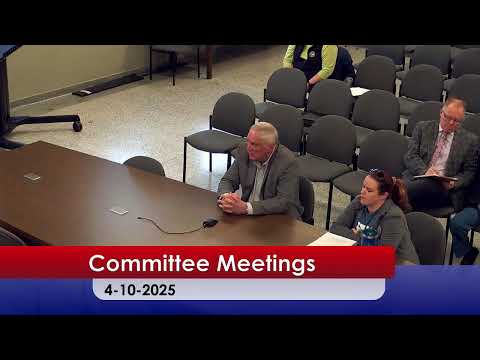
Representatives from Youth Services Alliance briefed the Logansport City Finance Committee on the nonprofit’s prevention and intervention programs in Cass County and sought clarity about local opioid settlement funds.
Rick, founder and executive director of Youth Services Alliance, said the organization has provided prevention services in Logansport for about 27 years and serves as the fiscal agent for the Stand Up Cass County Drug-Free Communities (DFC) coalition. “We are the primary prevention providers for Cass County and have been for a long time,” Rick said.
Nikki, a prevention specialist with the organization, described programs the group runs in schools, juvenile justice settings and community venues. The group highlighted an intervention program called WAIT (What Am I Thinking?), which it is running at the Academy twice weekly, and noted it currently serves roughly 150 students at that site. The presenters emphasized that their prevention programs are evidence-based and that the DFC grant they administer is a capacity-building, not a program‑funding, award.
Rick said the DFC grant is $125,000 per year and requires a $125,000 community match. “It’s $125,000 a year and we have to have $125,000 match from the community,” Rick said. The presenters said many of their prevention activities—free skating parties, movie nights and structured activities—are intended to provide alternatives for youth and build family‑centered programming.
Presenters asked whether any opioid settlement funds had been allotted locally for prevention work; a city representative said restricted opioid funds available in local control total about $15,000, and speakers discussed the need to align settlement dollars and prevention grants. The Youth Services Alliance said some of its prevention activities are not eligible under current grant rules and that they rely on fundraising to deliver certain programs.
No formal funding decision or commitment was made at the meeting; the presentation served as an informational briefing and introduction to the group’s work and funding model.