Get Full Government Meeting Transcripts, Videos, & Alerts Forever!
Get email alerts on the Comprehensive Plan topic
No spam. Unsubscribe anytime.
Committee reviews working drafts of comprehensive plan chapters on public safety and land use
Summary
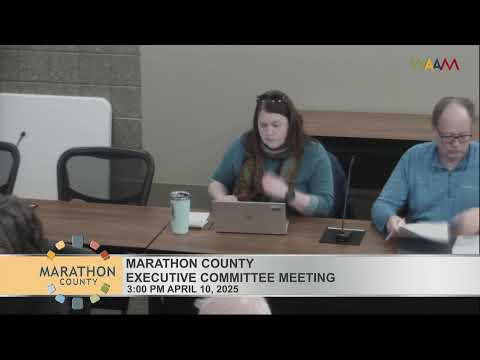
Staff presented working drafts of Chapter 7 (public safety) and Chapter 9 (land use) of the Marathon County comprehensive plan; committee members offered edits and asked staff to refine goals, data sources and long-term projections.
County planning staff presented working drafts of Chapter 7 (public safety) and Chapter 9 (land use) of the Marathon County comprehensive plan and asked the Executive Committee for input on issues, objectives and data sources.
Public safety chapter: CPZ Director Lori Miss Kimmons said staff worked with the sheriff’s office and emergency management to update divisions, jail population issues, jail diversion programs, volunteer emergency services, and to include regional forensic center information. Draft objectives include promoting interagency coordination to reduce jail population; mitigating impacts of heroin and methamphetamine through evidence-based practices; reducing recidivism; improving road safety and planning for disaster mitigation.
Committee members asked staff to broaden the chapter’s outlook. Supervisor Robinson recommended a 15‑year view addressing body-worn camera data storage, pressures on public-defender availability and crisis services that support law enforcement. Members raised volunteer EMS and fire staffing shortages, employer policies that limit volunteer responders, and road design and distracted driving as ongoing concerns.
Land use chapter: Dennis Lawrence of North Central Regional Planning reviewed population and land‑demand projections. He noted Wisconsin Department of Administration projections show regional declines while extrapolating recent 20‑year growth produces positive growth forecasts; staff proposed presenting both the DOA projections and an alternative trend-based projection to inform land-demand tables.
Committee discussion on land use covered household-size trends increasing housing demand even with flat population, grazing and organic farms in western parts of the county, water-quality connections to land use (Fenwood Creek and groundwater concerns), and adding sections on metallic mining and wind/solar regulations to the zoning discussion. Draft land-use objectives include preserving prime agricultural soils, encouraging rural property revitalization, and providing tools to manage coordinated growth.
Ending: Staff will incorporate committee feedback, add suggested data sources (Community Maps crash data, CPR transact survey), and refine goals and ‘‘to wit’’ content for public review in subsequent drafts.