Get Full Government Meeting Transcripts, Videos, & Alerts Forever!
Get email alerts on the Lsu System Finance Enrollment topic
No spam. Unsubscribe anytime.
LSU president says record enrollments, rising research, and out‑of‑state tuition are central to campus finances
Summary
LSU President William Tate told the House Appropriations Committee LSU system hit enrollment records and research dollars grew, but warned the university competes nationally for top students and relies on out‑of‑state tuition to subsidize in‑state priorities
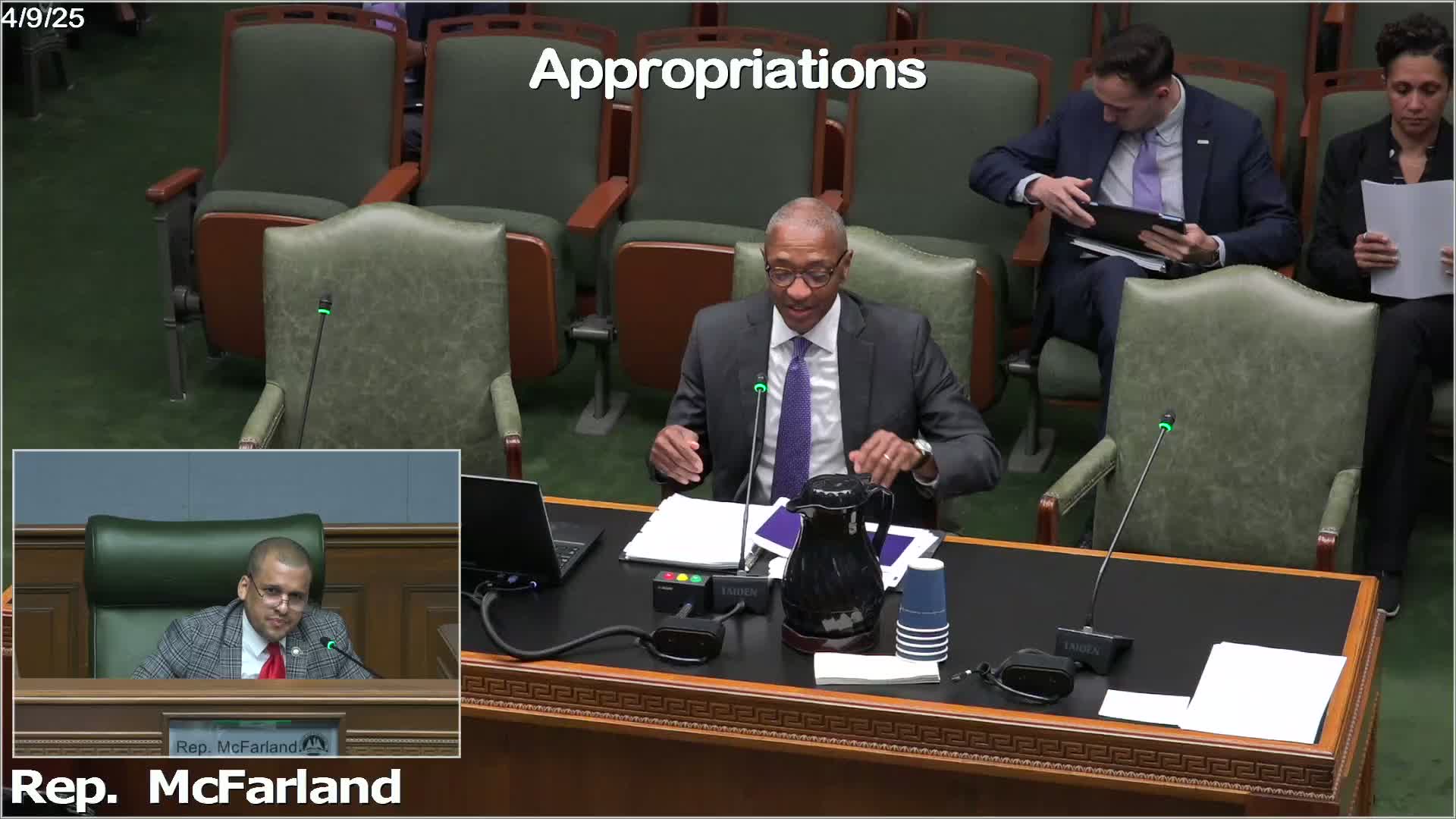
LSU President William Tate told the House Committee on Appropriations that LSU’s system is recording consecutive enrollment highs and a rise in research activity, while also warning the committee the university competes for top students with better‑funded peers in other states.
Tate described FY25 as an "all‑time system high" for total students and highlighted growth at several LSU campuses. "Since 2017 nearly 80% of the high‑achieving students ... 32% of all high school grads who are eligible for TOPS enrolled at the a and m campus," Tate said, flagging the school’s role in attracting and retaining high‑performing students.
Why it matters: Tate framed LSU’s budget and admissions strategy as a business model that uses out‑of‑state tuition revenue to support in‑state students and campus operations. Committee members pressed him on the implications of federal grant uncertainty, facility and staffing needs, and the role of out‑of‑state recruitment.
Details and evidence from the hearing: - Research and economic impact: Tate said LSU recorded more than $488 million in research activity (a 14% increase), which he said yields broad economic benefit to the state. He also described ongoing large grants being pursued, including an NSF submission highlighted in his testimony. - Out‑of‑state tuition and the business model: Tate explained the revenue difference between in‑state and out‑of‑state students in blunt terms: "Every out‑of‑state student we take, after we give them our aid ... we get $19,000. It's $565 for an in‑state student," Tate said. He added the revenue from out‑of‑state students helps fund institutional aid and enrollments: "Every out‑of‑state student pays the institutional aid for 2 students." The president argued this model allows the university to expand programming without displacing in‑state eligible students. - Grants and federal risk: Tate and other system leaders said schools face uncertainty over federal grant reviews and overhead changes that could reduce sponsored‑research revenue. Committee members asked for details on potential impacts of grant pauses and indirect‑cost changes. - Capital and facility needs: Tate highlighted the research‑related infrastructure investments and partnerships (coastal, biomedical, cyber and energy projects) and asked for continued investment to sustain research and workforce contributions.
Quotes: - "We're aligned with the workforce needs right now — 86% of our 2023‑24 graduates earn degrees in fields that are tied to high‑wage, high‑demand jobs," Tate said. - "Every out‑of‑state student we take ... we get $19,000. It's $565 for in‑state," he told the committee, arguing that out‑of‑state tuition helps cross‑subsidize vital university services.
What lawmakers asked and next steps: Members asked for follow‑up details on NSF/NIH grants the university expects, and on how LSU would manage cuts to federal research funding. Tate committed to follow‑up briefings, and staff asked LSU to provide more granular data on out‑of‑state tuition revenue versus institutional aid.
Ending: Tate framed LSU as competing at a national level for talent and research dollars and urged continued state support to sustain teaching, research and the economic returns those activities provide.