Sierra Vista staff propose phased sewer and refuse rate increases to pay for urgent plant upgrades
Loading...
Summary
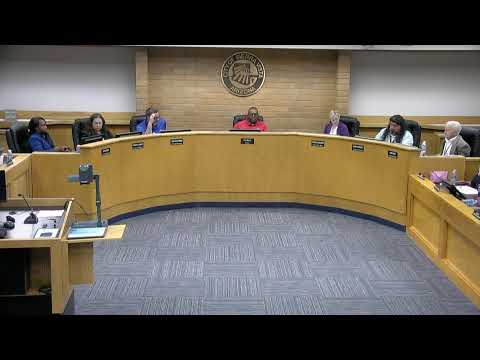
City of Sierra Vista staff presented council members with a package of wastewater treatment plant upgrades and corresponding rate and fee changes during a work session, saying the city must act to avoid equipment failures and regulatory penalties.
City of Sierra Vista staff presented council members with a package of wastewater treatment plant upgrades and corresponding rate and fee changes during a work session, saying the city must act to avoid equipment failures and regulatory penalties.
Bryce Kirkpatrick, the city—s external operations manager, told the council the city—s wastewater operation-and-maintenance costs have risen sharply and critical plant components are at the end of their useful lives. He described a recent liner failure in an anoxic basin and said the geomembrane liners installed during the 2011 upgrades have a roughly 10-year expected life. "We did have a liner fail as you all may know last summer in our Anoxic Basin," Kirkpatrick said. He told council staff recommend replacing basin liners with shotcrete, which has an estimated life of 20 to 25 years, add a third clarifier to expand capacity, and add disinfection (likely chlorination) because the Arizona regulator will require it if the city changes treatment processes.
Why it matters: staff and the finance director said the work is needed to keep the plant in regulatory compliance, maintain treatment capacity and avoid emergency repairs or consent orders that could halt development. The project is expensive; consultants and council members discussed preliminary total cost estimates in the tens of millions of dollars and the need to phase work and seek grant or public-private alternatives.
What staff proposed and why - Plant components at risk: geomembrane liners installed in 2012 are past expected life; staff reported a liner failure last summer and limited redundancy in some treatment trains, so repairs or upgrades are prioritized. - Recommended upgrades: replace geomembrane liners with shotcrete liners for basins, add a third clarifier, install disinfection and dechlorination systems, upgrade headworks grading and screening, rework piping and electrical controls, and remodel the operations/lab building. - Wetlands and recharge: staff recommended removing the constructed wetlands portion of the treatment train because evapotranspiration reduces recharge volumes and the wetlands provide limited additional polishing compared with clarifiers; wildlife currently using the wetlands would be expected to relocate to existing recharge basins on the east side of the site.
Regulatory and operational constraints - ADEQ permit and "grandfathering": staff said the plant—s current permit did not require disinfection when the permit was issued, but that requirement applies if the city modifies the plant. "As soon as we start doing upgrades to the plant, we are no longer grandfathered," a staff member said, explaining why disinfection is anticipated if upgrades proceed. - Phasing required: upgrades must be phased so biological processes remain online; staff said work can—t be done all at once but would occur over a relatively short timeframe.
Cost, timing and proposed revenue measures - Cost scale: staff and council referenced planning-level cost estimates in the multiple‑millions to tens of millions range (estimates discussed near $20–28 million in the work session). Staff and the city manager said the city is evaluating grant and alternative delivery options to reduce capital costs. - Debt and timing: the city—s prior sewer upgrade debt is scheduled to roll off in early 2027; staff said timing the new debt and rate adjustments around that payoff is intentional. - Proposed revenue actions (presented to council as recommendations, not final votes): Mr. Felix, a city staff member, said the administration is proposing a phased rate plan: a 15% sewer rate increase effective July 1, 2025 and another 15% on July 1, 2026; residential refuse rates would rise 10% on the same dates. The staff proposal also includes raising sewer connection fees by about 2.25 times and suspending the city—s infrastructure, police and fire impact fees so connection-fee revenue can be redirected to plant capacity needs. Felix said the increases would begin to restore positive operating cash flows for the sewer enterprise fund within about three years under current projections. - Customer impact examples presented: staff said the typical combined bimonthly (every-other-month) sewer-and-refuse bill currently is about $77; the proposed increases would raise that bimonthly bill by roughly $8–$9 in the first year and about $10–$11 in the second year (staff and the finance presentation translated that to roughly $47 per month versus about $97 bi-monthly after the two increases; precise customer impacts vary by can size and account type).
Council discussion and staff direction Council members pressed staff on technical choices (shotcrete vs. concrete liners; expected liner life), environmental effects of wetlands removal, and alternatives including private partnerships or phased contract approaches to reduce capital costs. Council asked staff to: - Evaluate private-sector and turnkey alternatives for construction and operations to reduce capital and operating costs. - Sequence upgrades to limit operational risk and consider grant matching opportunities before committing large local capital. - Provide more precise capital cost comparisons (shotcrete vs. concrete vs. liner replacement) and funding scenarios for the May budget cycle.
Next steps Staff said the rate and fee changes were being presented as a proposal and would be taken to a formal council meeting on Thursday for action. Staff also plans a phased rollout of any approved changes and continued exploration of grant and delivery alternatives to lower the capital burden on ratepayers.
Closing context City staff repeatedly noted the city has not raised sewer rates since 2012 and that inflation, higher construction costs, and growing maintenance needs have made a rate change necessary to preserve service and regulatory compliance. Council members emphasized sensitivity to rate impacts on residents while recognizing the risk of deferring upgrades.