Get Full Government Meeting Transcripts, Videos, & Alerts Forever!
Get email alerts on the Coastal Development Permit Findings topic
No spam. Unsubscribe anytime.
City attorney briefs Planning Commission on how to write findings for coastal development permits
Summary
Deputy City Attorney Marlene Dalinger led a study session explaining the legal standards and evidence requirements for findings the Planning Commission must make when approving coastal development permits.
Marlene Dalinger, deputy city attorney for the City of Half Moon Bay, told the Planning Commission on April 8 that coastal development permits require written findings tying the commission’s conclusions to evidence in the record.
Dalinger said the city’s municipal code (chapter 18.2) requires a set of six categories of findings for a coastal development permit and emphasized that findings must “expose the agency’s mode of analysis and bridge the analytic gap between the evidence presented and the agency’s ultimate decision.” She explained that findings demonstrate how the commission applied staff reports, public testimony and other record evidence to reach its decision.
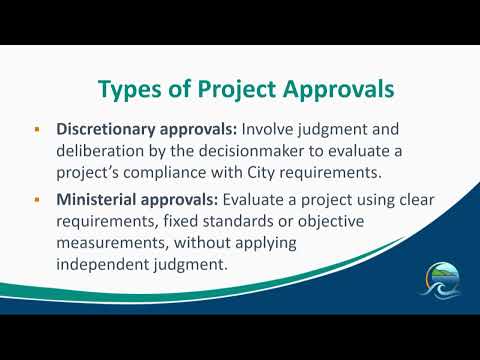
The presentation reviewed the difference between discretionary and ministerial approvals, noting that coastal development permits are discretionary because they require judgment about whether a project meets policies that often use subjective language. Dalinger showed examples of objective LCP (Local Coastal Program) policies—such as requirements for municipal water and sewer—and contrasted them with subjective policies that call for compatibility with downtown heritage, scale and visual resources. She cited court guidance that when policies are subjective the decisionmaking body has broad discretion and must weigh competing evidence and interests.
Dalinger also discussed the scope and limits of conditions of approval. She said the approving authority may apply conditions “as necessary to ensure conformance with and implementation of the local coastal program” and that commissioners should be prepared to explain how any added condition is tethered to a particular LCP policy. Commissioners asked whether precedent and past decisions bind the commission; Dalinger replied that precedent is a helpful consideration but not strictly binding if city priorities or state law change.
Commissioners asked practical questions about substantial conformance tests and whether applicants can negotiate conditions. Dalinger said where LCP language is objective there is less discretion, but where language is subjective the commission exercises broader judgment. For negotiation she said staff typically works with applicants to bring projects into conformance and that new special conditions sometimes result from unsuccessful negotiations or from sequencing needs (for example, an action that must occur after building permits are issued).
The session closed with direction that commissioners should look for the draft findings and recommended conditions in staff exhibits attached to CDP resolutions and be ready at hearings to explain how evidence supports each required finding.