Get Full Government Meeting Transcripts, Videos, & Alerts Forever!
Get email alerts on the Elementary Music Scheduling topic
No spam. Unsubscribe anytime.
St. Mary’s County schools keep 10‑day schedule, adopt cohort compromise for elementary music
Summary
After a teachers-and-community convening, St. Mary’s County Public Schools will retain its existing 10‑day special-areas schedule and use a cohort model for strings and band, while allowing a single weekly pull‑out chorus for fourth and fifth grades; schools will enter cohort rosters into district systems to track attendance.
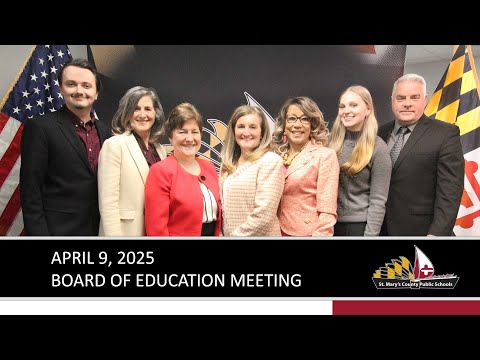
St. Mary’s County Public Schools officials on April 9 announced that the district will keep its current 10‑day special‑areas rotation and adopt a cohort model to preserve elementary music, band and strings instruction while reducing pull‑outs.
The decision follows a weeklong meeting of specialists, principals and district leaders convened after public comment called for stronger elementary arts and PE offerings. District staff described the plan as a compromise intended to protect consistent access to music while meeting new scheduling demands.
District leaders said the main elements are: continue the existing 10‑day schedule rather than move to a four‑day rotation; implement A‑week/B‑week cohorting for third‑grade strings and fourth‑ and fifth‑grade strings and band; permit one 45‑minute weekly pull‑out chorus class for fourth grade and one for fifth grade at each elementary school; and allow each school to choose whether the special‑area time falls at the beginning, middle or end of the day. All cohort rosters and schedules will be entered in the district’s attendance and student‑information systems (eSchool, TAC and HACC) so officials can track attendance and placement.
Special‑areas teachers and building leaders who served on the committee thanked the district for convening practitioners and said the compromise helps students who want both instrumental and choral experiences. Brian Smith, a music specialist at George Washington Carver Elementary School, said allowing chorus as the single weekly pull‑out means students can enroll in band or orchestra without being pulled from other content. Kate Holmes, a music specialist who served on the committee, said band and string classes will lose one day of instruction every two weeks but that the committee will publish best‑practice guidance so schools can adapt schedules locally.
District staff said music teachers will be expected to be flexible in teaching strings, general music, band or chorus as needed, and principals will receive a best‑practices sheet to guide master scheduling. The committee will reconvene to finalize logistics and release detailed guidance to principals.
The board categorized the discussion as an informational item; no formal board vote was taken on the scheduling model at the April 9 meeting.
Board members and public presenters emphasized that the compromise was shaped by working educators and community members and that remaining details — such as exact minutes of instruction per cohort and school‑level scheduling choices — will be finalized at the building level before next school year.