Get Full Government Meeting Transcripts, Videos, & Alerts Forever!
Get email alerts on the Housing topic
No spam. Unsubscribe anytime.
Public commenters urge more sober‑living options and clearer homelessness metrics in Douglas County
Summary
During general public comment, residents urged county leaders to support more sober‑living homes and to publish measurable outcome metrics for homelessness programs. Speakers described local needs, cost‑effectiveness of Oxford Houses and gaps in supported housing and program transparency.
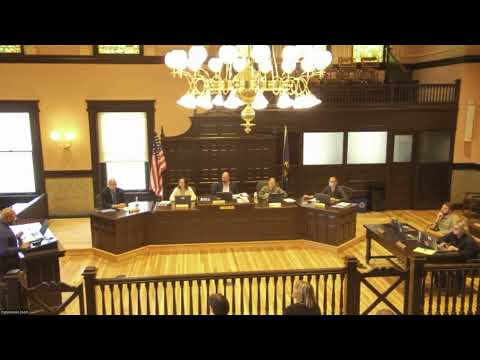
Several members of the public addressed the Board of Douglas County Commissioners during the April 9 general public‑comment period, urging expanded sober‑living housing and better public reporting of homelessness and housing‑program metrics.
Ellen Johnson, speaking at the podium, advocated for more Oxford House style sober‑living residences in Douglas County. She cited comparative numbers — higher counts of Oxford Houses in neighboring jurisdictions — and argued that larger sober‑living homes (8–12 residents) provide cost‑effective social support that reduces recidivism for criminal and substance‑use problems. Johnson recounted a personal experience in which lack of supported housing led a partner to lose treatment access and ultimately become unhoused. “Oxford houses are sustainable,” she said; “they’re largely self‑governing and self‑supporting through rent paid by residents.”
Resident John Imes called for greater transparency about outcomes for county homelessness programs. After reviewing available materials he said the county should publish year‑to‑year, de‑identified metrics that show which of the program’s subpopulations are being served and how outcomes are changing over time. Imes pointed to a county flexible‑housing report and to a chart in a Community Solutions Housing (CSH) report as examples of what can be publicly presented and recommended tracking behavioral‑health outcomes, emergency‑care usage and criminal‑legal involvement for different target groups.
Why it matters: County policymakers and service providers often rely on public comment to understand gaps in service and community priorities. The speakers requested specific policy changes — adding sober‑living housing inventory and improving public, de‑identified outcome reporting — that would require coordination with county housing programs, nonprofits and potential funding sources.
What’s next: No formal actions were taken at the meeting in response to these comments. County staff and commissioners indicated they would take public input under advisement; commissioners have previously supported tracking outcome metrics for housing programs and may follow up through staff requests or future agenda items.