Get Full Government Meeting Transcripts, Videos, & Alerts Forever!
Get email alerts on the School Budget State Aid topic
No spam. Unsubscribe anytime.
School officials say state aid increase likely to hold; curriculum and mandate costs driving ongoing operating increases
Summary
School administrators told the budget board they are "pretty confident" a roughly $2.3–$2.5 million state aid increase will survive the legislature, but warned that one-time ESSER funds and upcoming state mandates will embed new recurring costs for curriculum and testing.
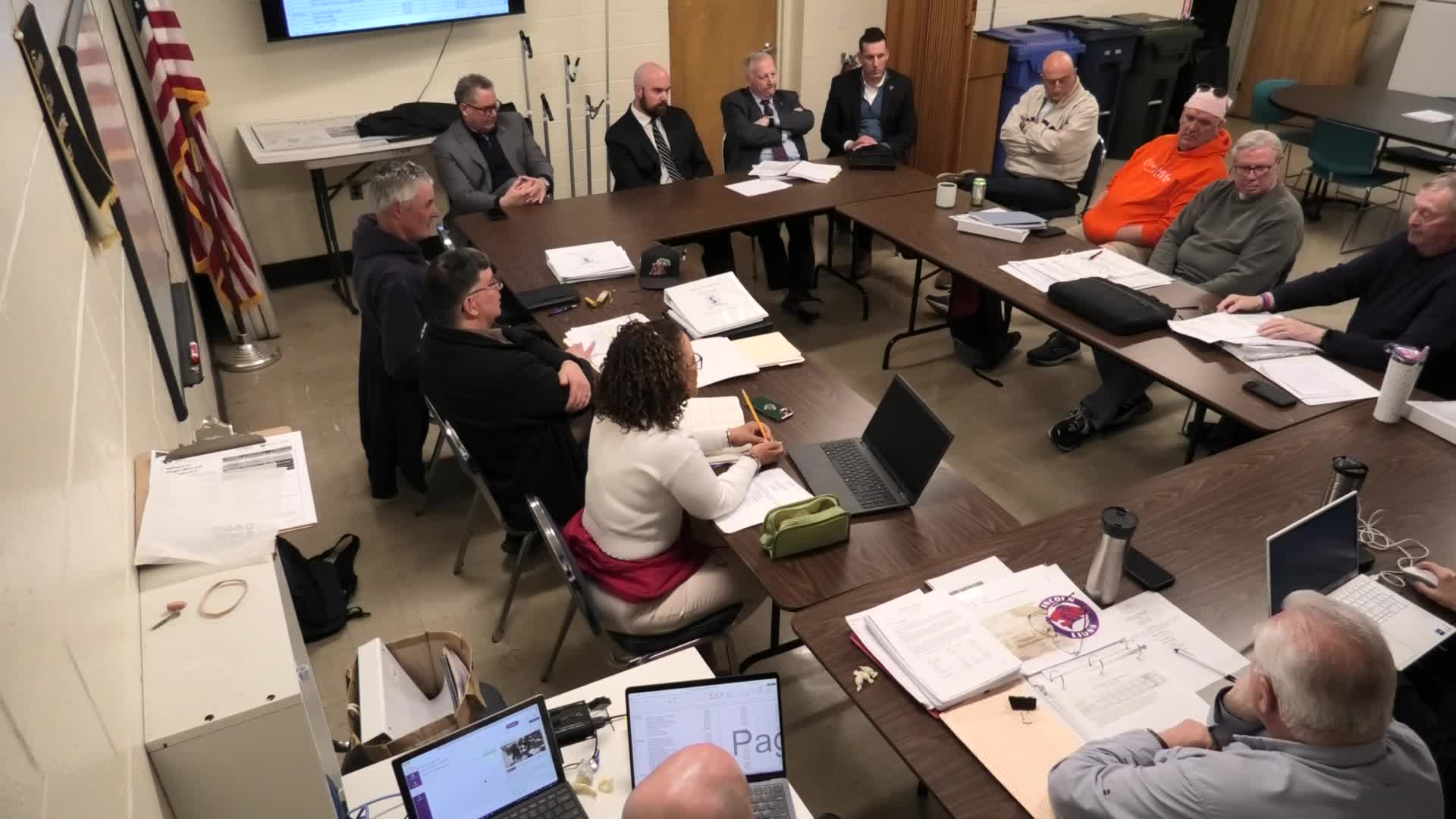
School administrators told the budget board during a budget review that the district’s roughly $2.3–$2.5 million increase in state aid is likely to remain intact as the bill moves through the legislature, and that the district’s FY26 operating request assumes that aid will remain available.
Administrators said the state calculation for aid is based on October and March enrollment numbers (residential average daily membership) and that the district’s increase is a straight formula amount rather than part of the special transition or “boost” adjustments some districts received. That, they said, makes the increase less vulnerable to later formula changes. At the same time they cautioned that some districts in prior years have lost transition aids, and urged caution about counting any non-formula transitional payments.
Why it matters: The district used a mix of one-time federal ESSER funding over the last several years to pay for high‑quality curriculum, diagnostic tools and pandemic-response services. As federal ESSER grants phase out, previously one-time purchases and new state mandates — notably science and later social studies standards — are creating recurring cost pressure on future operating budgets.
Budget details and drivers - Curriculum and diagnostic tools: The district said it invested heavily in high‑quality curriculum and assessment tools (examples cited: Eureka/Illustrative Math for K–5 math; OpenUp/ELA platforms; Ready diagnostic). Those purchases were funded in part with ESSER dollars; district staff said that because ESSER funded curriculum purchases in earlier years, the FY26 operating budget shows increases where ESSER support has ended. Administrators said roughly 20% of some ESSER allocations were dedicated to learning-loss interventions and other allowable uses, which changed how the district budgeted over several years. - Embedded recurring costs: Administrators said some curriculum platforms and professional development are now ongoing costs. They also flagged upcoming state mandates in science (and later social studies) that the district expects to be largely unfunded and will create additional recurring expenses unless the state provides new funding. - Enrollment and formula timing: The district stressed that state aid calculations rely on October and March counts. Because the district’s October and March counts have been consistent, administrators said the aid estimate is more stable than in districts whose numbers fluctuate.
Outlook and cautions Administrators and the board agreed the district has benefited from recent state increases, but cautioned that prior forms of transition aid have been reduced or removed in past years and that enrollment or state policy changes could alter aid amounts. They recommended treating non‑formula transition or smoothing payments as uncertain until formally enacted and signed into law.
Ending note: Board members asked for follow-up details on textbook and curriculum line changes and on how remaining ESSER‑funded items will shift to local operating dollars; administrators said they would provide more line‑item detail for subsequent meetings.