Get Full Government Meeting Transcripts, Videos, & Alerts Forever!
Get email alerts on the Public Safety topic
No spam. Unsubscribe anytime.
Raleigh County Police report drop in Part I crimes, outlines Fake Patty’s Day response and budget planning
Summary
Raleigh County Police Director Brian Pete told the Manhattan City Commission that Part I crimes in February fell well below five‑year averages, summarized enforcement and mutual‑aid during Fake Patty’s Day events in Aggieville, and described internal budget trimming and a staged approach to salary survey implementation.
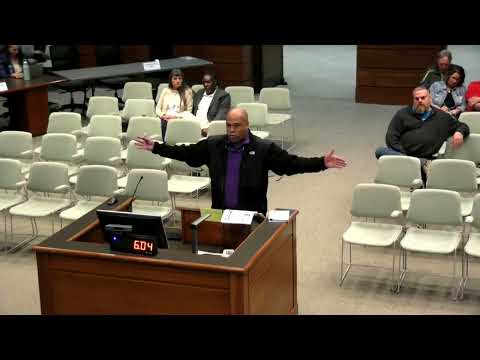
Raleigh County Police Director Brian Pete reported to the Manhattan City Commission on March 25 that Part I crimes in February were 44% below the five‑year average and 37% below last year, and described enforcement and budgeting priorities going into the new fiscal season.
Pete said violent Part I crimes were about 50% below the five‑year average for February; he reported five aggravated assaults/batteries, two rapes, zero robberies and zero homicides for the month. He said two February incidents were domestic‑related and that arrests had been made in two of those cases as of March 12. For Part I property crimes Pete said the department was 43% below the five‑year average (four burglaries, several larcenies, three larcenies from motor vehicles, one auto theft and two arson incidents). He said structural burglaries were 72% below the five‑year average (one non‑residential, three residential) and that two of the burglaries occurred in Manhattan and two in Ogden.
Pete reviewed the department’s approach to Fake Patty’s Day (the March campus event). He said calls for service related to the Aggieville period totaled 503 (officer‑ and citizen‑initiated calls), above the five‑year average of 435; he said citizen‑initiated calls were down while police‑initiated enforcement calls rose because the department was more proactive. Top incident types during the period included found property, simple battery, possession of drugs, larceny and disorderly conduct. Pete reported six traffic violations, six DUIs or alcohol/drug‑related arrests, five interference/obstruction, five minors in possession or consumption and four disorderly conduct arrests tied to the event. He credited coordinated mutual‑aid from Kansas Highway Patrol, K‑State police and neighboring agencies, and said those agencies absorbed overtime costs for their personnel. He urged residents to lock vehicles and remove valuables to reduce vehicle burglaries.
On budgeting, Pete said the department has been using a Lean Six Sigma review of line items to identify duplicative services and internal savings and to reallocate those savings toward operational needs. He said leadership levels and some positions were frozen or restructured where appropriate. Pete outlined the department’s goal to phase salary adjustments recommended in an earlier Arnold Group salary survey over two to three years rather than adopting a single, large increase. He said the law board has given the department a target figure and that he expects to meet it in this budget cycle. Pete said his priorities are cost‑of‑living adjustments and staged implementation of the salary survey recommendations, and that his hope is to limit future budget asks to cost‑of‑doing‑business increases only.
The presentation closed with Pete offering to provide additional data requested by commissioners, including emergency‑room utilization related to the event.
Commission comments and public remarks during this agenda item included questions about community feedback on enforcement, parking and tow options south of City Park, and whether ER‑visit counts were available; Pete said he would supply ER numbers if requested. Residents who spoke during public comment described neighborhood parking and driveway obstruction problems during large events and asked the law board and city to evaluate higher fines and towing options.
Why it matters: The report shows the local police department attributing notable month‑to‑month crime reductions to intelligence‑led policing and targeted enforcement during a high‑visibility campus event, and it previews budget choices that could affect city‑county funding conversations.
As an ending note, Pete said the department will continue coordination with the Aggieville Business Association on possible road restrictions and expects robust discussions on mutually acceptable approaches to balance safety and business activity.