Get Full Government Meeting Transcripts, Videos, & Alerts Forever!
Get email alerts on the Housing Community Development topic
No spam. Unsubscribe anytime.
Taylor opens CDBG public hearing; staff proposes $504,237 draft budget and $73,000 for public services
Summary
City staff presented a draft Community Development Block Grant (CDBG) budget for program year 2025–26, proposing an estimated $454,237 in HUD entitlement funds plus program income for a total draft budget of $504,237 and recommending $73,000 for public services including three nonprofit partners and senior center utilities.
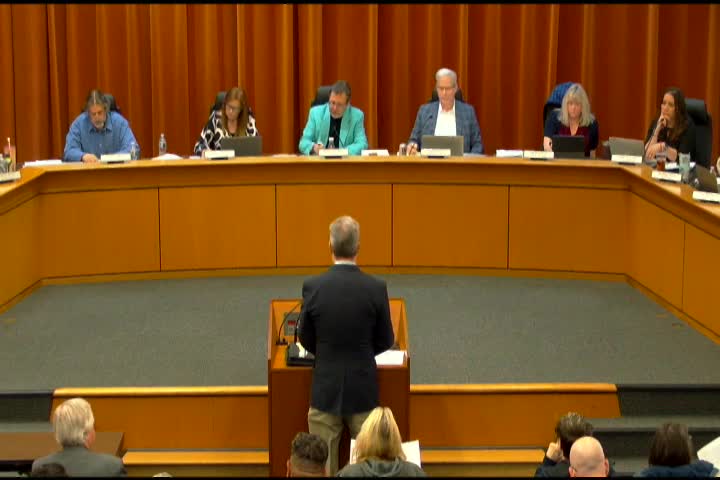
Taylor officials opened a public hearing April 1 to gather suggestions for the city’s U.S. Department of Housing and Urban Development Community Development Block Grant (CDBG) program for federal fiscal year 2025–26.
Chris Klimechak, the city’s community development manager, told council members the entitlement grant is formula-based, typically announced in May, and that the city was starting from an estimated allocation equal to last year’s award. Using an estimated HUD allocation of $454,237 and estimated program income of $50,000, staff proposed a draft action plan totaling $504,237.
Klimechak outlined proposed spending priorities in the draft: $280,000 for the housing rehabilitation program; approximately $73,000 for public services (including $12,500 each to Fish and Loaves, The Guidance Center, and the Senior Alliance and funding for utilities at the Ford Senior Center); tree planting in low- and moderate-income eligible areas; and the 20% administrative cap ($100,000) for planning and general administration allowed under CDBG rules.
Klimechak said the city will publish a 30-day public comment period starting the next day and will adjust the draft if HUD’s final allocation differs from the preliminary estimate. He also described program income (about $35,000 currently on hand, estimated $50,000 next year) and explained how program income factors into the public service cap. Klimechak said roughly five or six housing rehabs were already in process and that staff planned to bring individual rehab approvals to council in the following month.
During the hearing, residents asked about tree planting locations and procurement. Klimechak said tree planting would be confined to low- and moderate-income eligible neighborhoods and would be procured under federal procurement standards; work would be coordinated with DPW. The manager said the city would bid planting work and choose a low bidder consistent with federal rules.
Council formally closed the public hearing later in the meeting. Klimechak said staff will return with a final action plan for the council’s ratification after HUD issues the final allocation and the city completes the public comment period.