Get Full Government Meeting Transcripts, Videos, & Alerts Forever!
Get email alerts on the Cambridge Access To Justice H3309 topic
No spam. Unsubscribe anytime.
Connolly Urges Priority for Cambridge Court Access; Proposes Using Vacant Probate Building as Swing Space
Summary
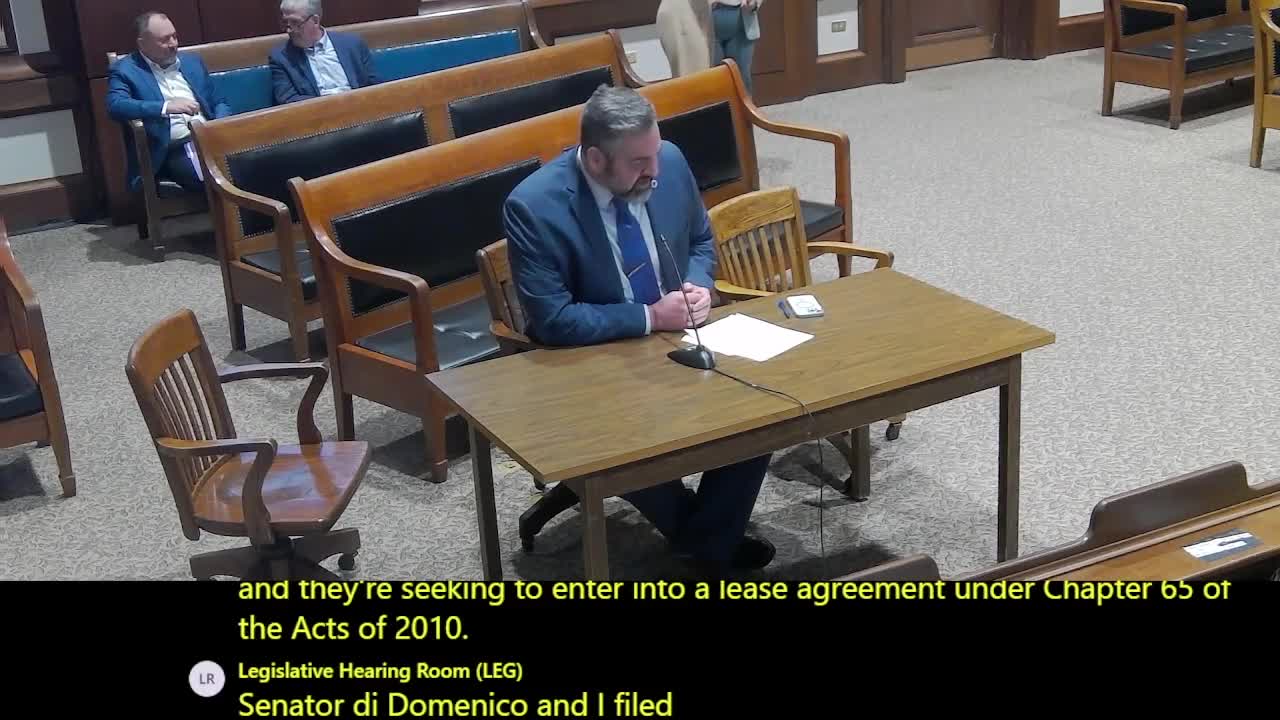
Representative Mike Connolly testified in support of H.3309, a bill to facilitate access to justice in Cambridge by prioritizing vacant state-owned court space for trial-court needs and potential swing-space use.
Representative Mike Connolly asked the joint committee to advance House Bill 3309, legislation intended to facilitate access to justice in Cambridge by giving priority to trial-court needs when state-owned space becomes available. Connolly said the Cambridge District Court has been located in Medford since 2009, creating access difficulties for Cambridge residents, and he suggested the committee consider the vacant former probate and family court space in Cambridge as a potential site for district-court functions or swing space.
Why it matters: Connolly argued relocating or providing swing space in Cambridge would reduce travel burdens and parking difficulties for residents who must now go to the Medford courthouse. He said the proposal had been discussed with the trial courts and the Division of Capital Asset Management and Maintenance and that those parties were receptive to the idea.
Sponsor description: Connolly said the bill would place a preference or priority on the vacant Registry of Deeds/probate building should the state dispose of that property, and he noted broader plans for a Southern Middlesex Regional Justice Center could make swing space valuable while larger capital projects proceed.
Ending: Connolly invited questions; committee members discussed ADA and capital-investment considerations and urged continued engagement with trial-court administrators and DCAM.