Get Full Government Meeting Transcripts, Videos, & Alerts Forever!
Get email alerts on the Surveillance Pricing topic
No spam. Unsubscribe anytime.
Lawmakers consider ban on biometric and surveillance‑driven grocery pricing amid equity concerns
Summary
Representative Lindsey Sabadosa and other advocates urged the committee to bar surveillance pricing and targeted in‑store advertising that uses facial recognition or electronic shelf tags, saying the practice would disproportionately harm low‑income shoppers and communities of color.
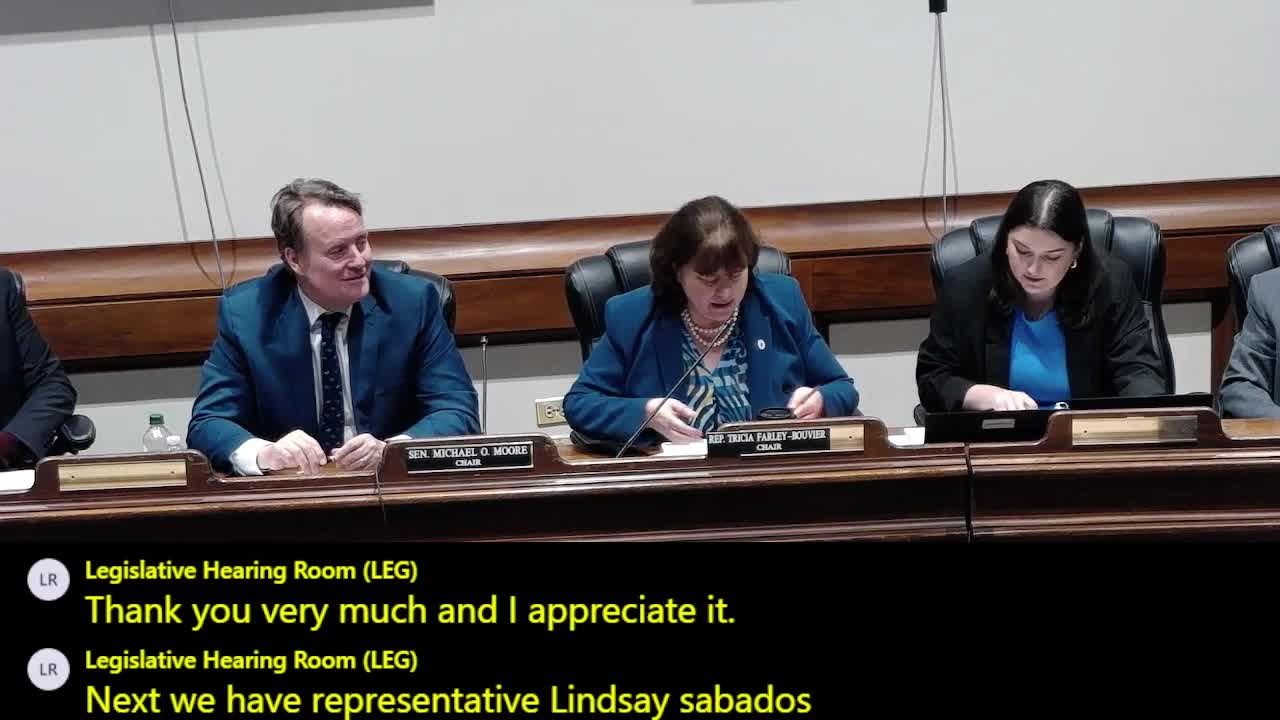
At a lengthy committee hearing, Representative Lindsey Sabadosa described H99 and S47 — bills designed to prohibit surveillance pricing and surveillance advertising in grocery stores — and urged lawmakers to act before biometric and camera‑driven price‑adjustment systems are rolled out nationwide.
Sabadosa told the committee that electronic shelf tags paired with facial recognition and real‑time customer profiling could let retailers offer different prices to individuals for essential goods based on inferred ability to pay or demographic indicators. She said food‑security and food‑justice groups support the bill because grocery stores remain the primary and often only source of affordable food for many households in rural and low‑income urban neighborhoods.
Consumer and civil‑society witnesses echoed the concern. Sarah Gagan of EPIC and Grace Geddy of Consumer Reports described recent pilots and public reporting showing trials of camera‑based advertising and price personalization; they asked the committee to prohibit use of biometric identifiers (face, iris, fingerprint) for individualized pricing and to regulate broader surveillance pricing practices.
Industry and retail witnesses asked for careful drafting that preserves legitimate retail uses such as promotions and loyalty discounts; they warned a narrow ban could produce unintended effects on loyalty programs and small retailers unless the bill differentiates between targeted discriminatory pricing and lawful loyalty‑based discounts.
Committee members signaled interest in narrowing the bill to a clear prohibition on biometric‑driven pricing while exploring further restrictions on broader surveillance pricing. No votes were taken; members requested follow‑up briefings on technical feasibility, enforcement, and carve‑outs for bona fide business programs.