Get Full Government Meeting Transcripts, Videos, & Alerts Forever!
Get email alerts on the Workplace Safety topic
No spam. Unsubscribe anytime.
Trainer warns ‘line of fire’ incidents are common and avoidable
Summary
At a Safety Moments session, presenter Mike Stagg outlined how “struck by” and “caught in/between” incidents — OSHA’s focus hazards — cause frequent workplace injuries and gave practical steps employees can take to reduce risk.
Mike Stagg, a safety presenter at the trust, told staff at a Safety Moments briefing that “these are some serious, serious accidents” and said the Occupational Safety and Health Administration has classified struck-by and caught-in/between incidents among its focus hazards. Stagg said those accident types are the trust’s third-most-common cause of workplace injury.
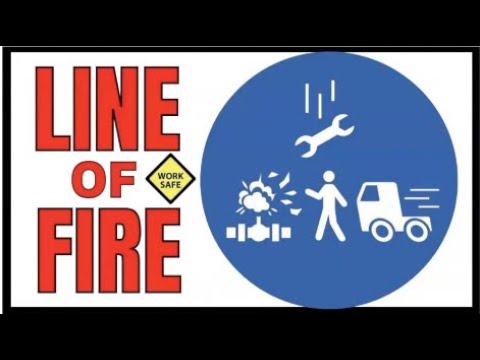
Stagg described struck-by injuries as forcible contact between a person and a moving object — for example, a falling tool or a pipe that slips while being lifted — and caught-in/between injuries as a person being pinched, crushed or compressed between two objects, such as a hand caught in a truck tailgate or a foot run over by a vehicle tire. “These silly little accidents, they turn into fatalities,” he said.
The presenter reviewed specific hazards the trust’s claims files show repeatedly: tailgate pinches and crushes while workers handle dump-truck tailgates, forklift forks coming loose and striking shins, fingers crushed by manhole covers, injuries from poorly stacked materials, and incidents in workplace gyms such as pinched hands when re-racking weights. Stagg also cited injuries from defensive tactics training in law enforcement units and from tree work, where falling branches struck workers below.
Stagg emphasized common contributing factors: items and equipment in motion (forklifts, backhoes, trailers), swing radius changes when workers lift or turn while carrying materials, unbalanced or poorly stacked loads, overhead suspended loads, stored energy in pressurized systems, and unguarded rotating machinery such as bench grinders and drill presses. He gave brief examples from recent claims, including a pipe that slipped when lifted and struck a worker’s face and a worker whose thumb was nearly amputated when a tailgate locking mechanism closed on it.
On prevention, Stagg urged situational awareness — asking what is moving, who is nearby and what could hurt coworkers — and gave specific practices: keep out of swing radii, never stand under suspended loads, maintain guards on power tools and machinery, confirm visibility with equipment operators, and use appropriate personal protective equipment such as high-visibility vests, safety glasses, hard hats and face shields. “Always assume that they can’t see you,” he said, encouraging staff to communicate (“Hey, wait just a second.”) before moving into potentially hazardous areas.
The presentation closed with a call to action: Stagg challenged listeners to identify and point out line-of-fire hazards to coworkers during the day to reduce incidents. No formal actions or policy changes were proposed during the session.
This Safety Moments talk occurred during a routine internal safety briefing and did not include any formal votes or decisions.