Get Full Government Meeting Transcripts, Videos, & Alerts Forever!
Get email alerts on the Trade Services Tech topic
No spam. Unsubscribe anytime.
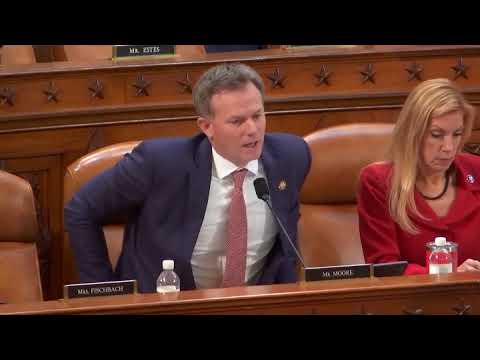
Moore warns trade restrictions could hurt U.S. tech, manufacturing and national security
Summary
At a congressional hearing, Congressman Blake Moore said U.S. firms run large services surpluses and warned that retaliatory limits on American services could threaten innovation, jobs and national security; Ambassador Greer said most trading partners have pledged not to retaliate but cautioned the United States must act to restore manufacturing.
Congressman Blake Moore, R‑Utah, told Ambassador Greer during a congressional hearing that while the United States runs “massive trade surpluses in services” with major economies, retaliatory restrictions on American services markets could undermine U.S. power and national security.
Moore said the United States benefits from “the best talent and the most skilled innovators in the world” in technology and software, but asked what would happen if other countries restricted U.S. services in retaliation for U.S. limits on goods. He warned that losing an “innovative edge” could risk falling behind in areas such as artificial intelligence.
Moore pressed the point with a personal example about a small-business owner in his district. “I’ve never seen him so anxious, so nervous about what’s going,” Moore said of Mark, the owner of a local sporting goods store called Sports Den. “What do I say to him? Like, he’s really nervous right now.”
Ambassador Greer replied that most countries contacted so far have said they will not retaliate and want to negotiate. “So my expectation is that, you know, they will bring those barriers down,” Greer said, while also urging the United States to move quickly to rebuild domestic manufacturing and reduce dependence on foreign suppliers.
Greer cited a longer-term concern about production leaving the United States, saying, “we've seen 90,000 factories leave The United States,” and argued the country needs a “reset” to avoid excessive import dependence. He added that governments negotiating with the United States are “mindful that even though we have surpluses in many of these areas, they still have a lot of barriers against our folks.”
Moore noted the hearing had examined trade deficits and calculations related to imbalance but said he wanted to emphasize the services side of the ledger. He flagged digital services taxes and committee work on retaliatory tax responses, framing those issues as part of broader trade negotiations affecting U.S. services firms.
The exchange was a discussion rather than a decision: there were no motions or votes recorded in the hearing transcript excerpt. Speakers discussed risks to innovation, the relationship between manufacturing and innovation, and the effect of trade policy on small businesses and exporters. Moore said he would continue to communicate constituent concerns to the administration and “yielded back.”
Less critical details from the exchange included Moore’s remark that domestic laws and incentives are necessary to sustain U.S. innovation and Greer’s comparison to policy work done in the first Trump administration, which Greer said provided some useful precedent for restoring manufacturing and reciprocal trade.
No formal actions, directives to staff, or votes were recorded in the excerpt provided.