Get Full Government Meeting Transcripts, Videos, & Alerts Forever!
Get email alerts on the Infrastructure topic
No spam. Unsubscribe anytime.
Riverside outlines stormwater utility plan with tiered residential fees, credits and multi-year outreach
Summary
Service Director Beth Moore and city staff presented a stormwater education briefing April 7, reviewing the city’s stormwater master plan, Ohio EPA permit obligations, a proposed residential fee structure ($7/$12/$18 monthly tiers) and a multi-quarter public outreach schedule.
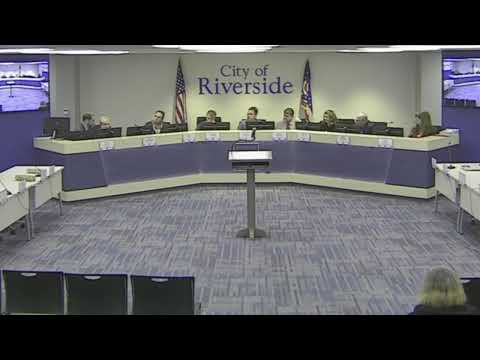
Service Director Beth Moore and City Manager Josh led an extended presentation on April 7 describing Riverside’s stormwater program, the history of local planning and the city’s proposed stormwater utility structure.
Moore opened a “Stormwater Education Series” presentation by defining stormwater and distinguishing it from sanitary wastewater, and she said most stormwater in Riverside drains directly to the Great Miami River, Mad River or Lily Creek without treatment. She reviewed the city’s stormwater master plan (originally prepared circa 2015) and noted the matter has been discussed repeatedly at city meetings since 2015 and extensively since 2022. Moore reminded council that a long Ohio EPA stormwater permit imposes operational requirements on the city.
Staff described the fee proposal in general terms: an enterprise fund fee based on impervious surface area and three residential tiers that the presentation quantified as approximately $7, $12 and $18 per household per month, with commercial and industrial properties to be calculated separately. The tiers are based on parcel impervious-area estimates derived from GIS/satellite imagery; staff said the engineering firm used parcel and roof/driveway averages to assign tiers and that every parcel will be in the database created for billing. Moore said the stormwater utility fund would be restricted to stormwater work and could not be used for roads or other general-fund expenses.
Staff also described an upcoming credit process and implementation timeline. Two separate credit tracks are proposed: one for water-quality improvements and another for water-quantity mitigation measures (for example on-site retention or similar measures). Staff said credit rules remain to be developed; they also outlined a public outreach cadence that includes a stormwater web page, social media education, items in the city newsletter, National Night Out outreach and potential town-hall events in the third quarter, with more concrete credit forms and guidance expected in the fourth quarter.
Officials said the funding is needed to address failing or absent stormwater infrastructure, to meet Ohio EPA permit obligations and to slow the deterioration of pavements caused by standing water. Josh and Beth said the existing master plan includes many capital projects that have not been funded or implemented; Staff cited recurring localized failures such as sinkholes and severe erosion along certain creeks. Moore said the sanitary and storm systems are separate in the Dayton region and reminded the public that stormwater is not treated at wastewater plants.
Council members and several attendees raised localized impacts: a resident and council members described severe erosion and property loss along Lily Creek and cited specific problem intersections (Crestmont and Marblehead) and neighborhood flooding. Staff said the city had identified capital projects in prior studies and emphasized the need to prioritize projects based on current conditions.
Staff offered a rough estimate of the timeline and budget work: the city’s stormwater ordinance is codified (chapter 935) and staff have tracked about 19 council/work-session discussions on stormwater since January 2022; the master plan dates to 2015. Several council members said the city has not implemented many of the plan’s projects and that rising repair costs increase the urgency of a funding mechanism.
What’s next: staff will produce public communications materials, publish a stormwater web page, hold outreach events and develop the credit application process this year. Council did not vote on the utility structure on April 7; staff emphasized further study, public engagement and a prioritization process for capital projects will follow.