Get Full Government Meeting Transcripts, Videos, & Alerts Forever!
Get email alerts on the Nuisance Odor Regulation topic
No spam. Unsubscribe anytime.
Council debates new odor ordinance after years of complaints; action tabled
Summary
After lengthy discussion and public comment, the Ellsworth City Council took public input on a proposed ordinance to strengthen municipal authority over commercial nuisance odors and voted to table further action while staff revises language based on council feedback.
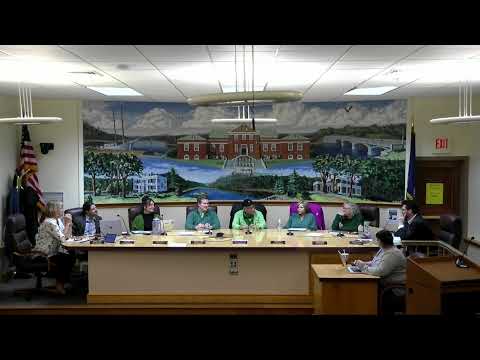
The Ellsworth City Council held a public hearing March 18 on a proposed ordinance to regulate commercial nuisance odors citywide and then voted to table the item while staff incorporates council edits.
Code Enforcement Officer Robert Grant, who has led enforcement efforts related to recurring complaints about industrial odor sources, told the council the year since the January incident at Meadowview Apartments and the city’s administrative consent agreement has demonstrated limits in the existing enforcement tools. "It's been a long year for me," Grant said, explaining why staff drafted a more specific odor ordinance to give the city a clearer standard and process.
The proposed draft borrows a reasonableness standard used in other municipalities and would create a local process for notices of violation, objective inspection tools and civil fines under state statute. Grant said staff and several members of the team have been trained on odor field tests and that the ordinance is designed to allow code staff to rely on objective measures where feasible while retaining a reasonableness standard for persistent or widespread nuisance odors.
Councilors discussed several technical and procedural changes they want in the draft: allow the code enforcement officer to designate trained deputies, clarify appeal routes and remove a provision that would permit appeals to the Board of Appeals (several councilors said that would create lengthy delay). Legal counsel advised the council that referencing the state penalty provision (30-A M.R.S. §4452) would be appropriate rather than listing a specific fine schedule in the ordinance.
Council heard public comments during the hearing. After discussion the council voted to table the ordinance so staff can incorporate edits: expanding the list of staff who may make determinations, clarifying the duration/standards for a reportable odor event, leaving enforcement as a discretionary option, and removing an appeal provision that would route disputes through the Board of Appeals. The vote to table passed on a council motion.