Get Full Government Meeting Transcripts, Videos, & Alerts Forever!
Appeals court hears challenge to gunshot-residue, DNA and docket entries in Commonwealth v. Aheart
Summary
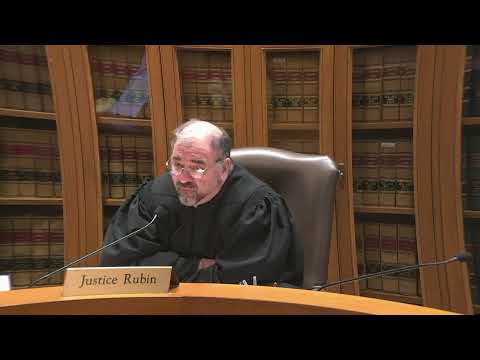
Attorneys argued at the Massachusetts Appeals Court over whether gunshot-residue (GSR) evidence, DNA on a gun trigger and irregular docket/minimus entries warrant relief in post-conviction proceedings for defendant Aheart.
The Massachusetts Appeals Court heard argument in Commonwealth v. Aheart (No. 24734) on whether trial counsel was ineffective for failing to exclude or limit gunshot-residue (GSR) evidence and related expert testimony, whether other forensic evidence was properly admitted, and whether irregularities in the court docket and minimus records require reconstruction of the record.
Why it matters: The case raises contested questions about how forensic evidence such as GSR and nonblood DNA should be presented to juries, the permissible scope of expert testimony, and when clerical or docket irregularities can justify relief in post-conviction proceedings.
Attorney Michael Warrias, representing Aheart, argued that GSR testimony presented to the jury was legally and factually flawed and that the trial judge abused her discretion by admitting it. Warrias told the…
Already have an account? Log in
Subscribe to keep reading
Unlock the rest of this article — and every article on Citizen Portal.
- Unlimited articles
- AI-powered breakdowns of topics, speakers, decisions, and budgets
- Instant alerts when your location has a new meeting
- Follow topics and more locations
- 1,000 AI Insights / month, plus AI Chat